
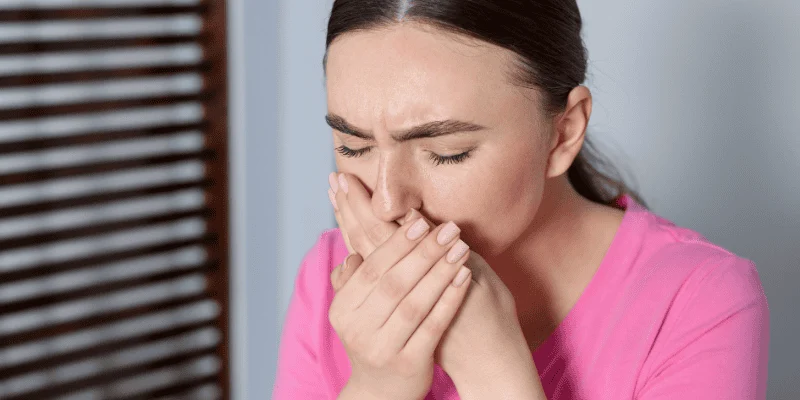
Missing teeth can affect you in ways that go far beyond your physical health. While people often think about the difficulty chewing food or potential bone loss, the psychological impact is equally important and often overlooked.
You might find yourself avoiding social situations, feeling embarrassed about your smile, or even experiencing changes in how you see yourself.
When you lose teeth, you may experience reduced self-esteem, social withdrawal, anxiety about eating in public, and feelings of shame that can lead to depression and isolation. These emotional effects can touch every part of your daily life.
You might decline invitations to gatherings, avoid photos with friends and family, or feel less confident at work. The anxiety and social withdrawal that accompany tooth loss create genuine psychological suffering that deserves attention and care.
The good news is that understanding these emotional impacts is the first step toward addressing them. By learning about the connection between tooth loss and your mental well-being, you can make informed choices about treatment options and coping strategies that help restore both your smile and your confidence.
Key Takeaways
- Missing teeth can cause reduced self-esteem, social anxiety, and withdrawal from activities you once enjoyed
- The psychological effects often include shame about appearance, difficulty eating in public, and avoiding photos or social interactions
- Modern dental solutions combined with psychological support can help you regain your confidence and quality of life
Restore your smile confidence with expert care in Metairie LA.
Understanding the Link Between Tooth Loss and Psychological Health
Missing teeth affects more than just your ability to chew food. Tooth loss creates both physical and emotional challenges that can change how you feel about yourself and interact with others daily.
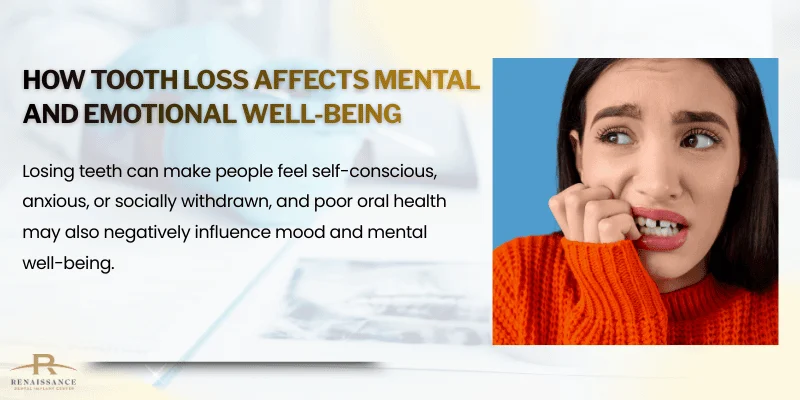
How Tooth Loss Affects Emotional Well-Being
When you lose a tooth, your emotional response can be stronger than you might expect. You may feel embarrassed about your appearance or worry about what others think when you smile.
These feelings aren’t just in your head. Studies show that people with missing teeth experience higher levels of psychological distress compared to those with complete smiles. The emotional toll can show up as anxiety about social situations or reluctance to laugh openly.
Your self-image often takes a hit after tooth loss. You might avoid photos or cover your mouth when talking. These small changes in behavior add up over time and can affect your confidence at work, in relationships, and during everyday conversations.
The Connection Between Oral Health and Mental Health
Your oral health and mental health work together more closely than most people realize. Poor dental health can lead to feelings of shame or inadequacy that affect your overall mood.
Research has found a connection between tooth loss and depression, with both conditions influencing each other. When you’re dealing with missing teeth, the stress and low self-esteem can contribute to depression. At the same time, depression might make it harder to maintain good oral hygiene.
Oral health, mental health, and socioeconomic barriers are interconnected. This means access to dental care plays a big role in your overall well-being.
Common Psychological Effects of Missing Teeth
The psychological impact of missing teeth shows up in several specific ways:
Self-Esteem Issues: You might feel less attractive or worry that others judge you based on your smile.
Social Anxiety: Attending parties, meetings, or dates can become stressful when you’re self-conscious about your teeth.
Depression: The stigma around tooth loss can lead to feelings of embarrassment and shame that persist over time.
Reduced Quality of Life: Simple pleasures like eating out with friends or speaking confidently at work become challenging.
Body dissatisfaction and negative self-perception often develop as you become more aware of the gap in your smile. These feelings can make you withdraw from social activities you once enjoyed.
Book a smile consultation in Metairie LA and regain confidence.
Key Emotional Consequences of Missing Teeth
Missing teeth create emotional challenges that affect your daily life in ways you might not expect. The gap in your smile can trigger anxiety about social situations, lead to feelings of sadness, and shake the confidence you once had in yourself.
Anxiety and Social Withdrawal
When you lose teeth, anxiety often becomes a constant companion in social settings. You might find yourself avoiding restaurants because eating in public feels stressful. Social withdrawal and isolation commonly develop as you skip gatherings where photos might be taken or conversations require you to smile openly.
This social anxiety can make you hyperaware of your mouth during conversations. You may cover your mouth when laughing or speaking, or position yourself strategically to hide the gaps.
Dating becomes particularly difficult when you feel self-conscious about your appearance. Job interviews and professional meetings add extra pressure when you need to present yourself confidently. The worry about what others might notice can make even simple interactions feel overwhelming.
Depression and Emotional Distress
Tooth loss can trigger feelings of depression that extend beyond temporary sadness. You might feel older than your actual age or like you’ve lost part of who you are. The emotional and psychological consequences include persistent feelings of distress that affect your overall quality of life.
Your emotional well-being suffers when you constantly hide your smile or avoid activities you once enjoyed. Some people describe feeling less capable or valuable after losing teeth. These feelings can become worse over time if left unaddressed, creating a cycle where depression makes it harder to seek the help you need.
Impact on Self-Confidence and Self-Worth
Missing teeth directly attack your self-confidence in ways that affect how you see yourself. Your self-esteem is closely tied to your perception of your appearance, and gaps in your smile can make you feel less attractive or successful.
You might notice yourself speaking more quietly or mumbling to hide pronunciation problems. The inability to smile freely robs you of genuine emotional expression. Your self-worth can decline as you internalize negative judgments you imagine others are making about you.
Professional opportunities may feel out of reach when you lack confidence in meetings or presentations. Personal relationships struggle when you feel unworthy of attention or affection.
Schedule a consultation and start rebuilding your confidence today.
How Missing Teeth Influence Social Interactions and Relationships
When you lose teeth, the effects reach far beyond your mouth. The way others perceive you changes, your ability to communicate clearly may suffer, and your willingness to engage socially often decreases significantly.
Stigma and Social Perceptions
People with missing teeth face unfair assumptions about their socioeconomic status and personal habits. Society often associates dental health with success, cleanliness, and self-care. When you have missing teeth, others may wrongly judge you as less competent or less trustworthy.
This stigma affects multiple areas of your life. During job interviews, hiring managers may view you as less qualified even when your skills match perfectly. Research shows that dental appearance influences hiring decisions regardless of your actual abilities.
In dating situations, you might feel that potential partners see you as less attractive before they get to know your personality.
The stigma becomes internalized over time. You start believing the harsh judgments you imagine others are making. This self-criticism often proves more damaging than any actual negative reactions from others.
Challenges in Communication and Speech
Missing teeth create physical barriers to clear speech that affect your daily interactions. Certain sounds require your tongue to touch your teeth, and gaps make these pronunciations difficult or impossible.
Common speech problems include:
- Whistling sounds when air escapes through gaps
- Difficulty pronouncing words with “s,” “t,” or “th” sounds
- Mumbling or speaking quietly to hide pronunciation issues
- Needing to repeat yourself frequently
These communication challenges extend to professional settings. Phone calls and video meetings become stressful when you worry about being understood. You might avoid speaking up in meetings or skip networking events entirely.
Some people develop habits of choosing different words to avoid sounds they struggle to pronounce clearly.
Effects on Relationships and Social Participation
Missing teeth drive social isolation through embarrassment and lost confidence. You might start declining invitations to restaurants, parties, or gatherings where photos might be taken. What begins as occasional avoidance becomes a pattern of withdrawal.
Your existing relationships suffer too. Dating feels nearly impossible when you feel ashamed of your smile. The vulnerability needed for romantic connections seems out of reach. Partners often don’t grasp how deeply tooth loss affects you, creating tension and misunderstandings.
Social participation drops across all areas. You miss family celebrations, skip friend outings, and avoid professional networking events. Eating in public becomes stressful as you choose foods based on what you can chew discreetly rather than what you enjoy.
You position yourself carefully in social settings to minimize what others can see.
Over time, your quality of life decreases as you withdraw from activities that once brought you joy.
Daily Life Impacts: From Appearance to Nutrition
Missing teeth create obstacles that touch nearly every part of your day. Your appearance changes in ways that affect how you see yourself, while eating becomes harder and limits the nutrients you get from food.
Changes in Appearance and Self-Image
When you lose teeth, your face changes in visible ways. Your cheeks may look sunken because the bone that once supported your teeth starts to shrink. Your lips might fold inward where teeth used to provide support. These changes can make you look older than you are.
The gap in your smile affects how you interact with others. You might cover your mouth when you laugh or talk. You probably avoid smiling in photos or skip social events where pictures get taken. Many people develop a closed-mouth smile that feels forced and unnatural.
Your self-image takes a hit when you avoid mirrors or feel embarrassed about how missing teeth affect your appearance. You might feel less attractive or worry that others judge you based on your teeth. This change in how you view yourself can lead to avoiding social situations and pulling away from friends and family.
Eating Challenges and Nutritional Deficiencies
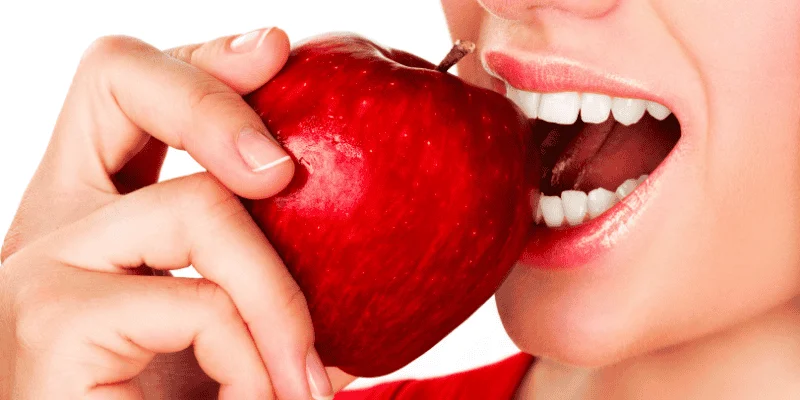
Missing teeth make it hard to chew many foods properly. You might skip tough meats, raw vegetables, and crunchy fruits because they’re too difficult to eat. Instead, you choose softer foods that are often higher in carbs and lower in important nutrients.
These dietary restrictions lead to real nutritional deficiencies over time. Without enough protein from meat, your muscles get weaker. Missing out on fresh vegetables means you don’t get enough vitamins and fiber. Your body needs these nutrients to stay healthy.
Common foods people avoid:
- Raw carrots, apples, and celery
- Steak and other tough meats
- Nuts and seeds
- Corn on the cob
- Salads with thick greens
Eating in public becomes stressful when you worry about food getting stuck or being unable to chew properly. You might turn down dinner invitations or eat before social events to avoid embarrassment.
Professional and Lifestyle Limitations
Your professional life suffers when missing teeth affect your confidence. Job interviews become harder when you feel self-conscious about your smile. You might speak less in meetings or avoid video calls where your teeth are visible.
Speech difficulties can develop depending on which teeth are missing. Front teeth help you make certain sounds clearly. When they’re gone, you might whistle when you talk or have trouble saying specific words. This affects your quality of life at work and in daily conversations.
Your career opportunities may shrink because people often judge competence based on appearance. Positions that involve customer contact or public speaking feel out of reach. You might avoid networking events or professional gatherings where building relationships matters.
The impact on your lifestyle goes beyond work. You skip activities you used to enjoy because you worry about how you look. Dating feels impossible when you’re ashamed of your smile. Your oral function limits what foods you can enjoy at restaurants or social gatherings.
Coping Mechanisms and Strategies to Restore Confidence
Building emotional resilience after tooth loss requires both professional support and practical daily strategies. You can regain your confidence through counseling, coping mechanisms that help manage stress, and targeted approaches to overcome dental-related fears.
Seeking Emotional Support and Counseling
You don’t have to face the emotional impact of missing teeth alone. Talking with a therapist or counselor can help you process feelings of embarrassment, sadness, or social anxiety related to your appearance.
Mental health professionals can teach you specific techniques to challenge negative thoughts about your smile. They might use cognitive-behavioral approaches to help you reframe how you view yourself. These methods have proven effective for people dealing with appearance-related concerns.
Support groups offer another valuable option. Connecting with others who understand what you’re going through creates a sense of community. You can share experiences and learn how others have successfully rebuilt their confidence.
Many dental practices can refer you to appropriate counseling services or support networks in your area.
Practical Coping Skills for Mental Well-Being
Daily practices can strengthen your emotional well-being and help you feel more positive about yourself. Deep breathing exercises calm your nervous system when you feel self-conscious in social situations. Try breathing in for four counts, holding for four, and exhaling for four.
Mindfulness techniques keep you focused on the present moment rather than worrying about how others perceive you. Even five minutes of daily meditation can reduce stress and improve your mood.
Simple daily practices include:
- Writing in a journal about your feelings and progress
- Practicing positive affirmations about your worth beyond appearance
- Engaging in physical activities that boost mood
- Maintaining regular sleep schedules
- Connecting with supportive friends and family
These strategies actively manage stress and prevent negative emotions from overwhelming you.
Addressing Dental Anxiety
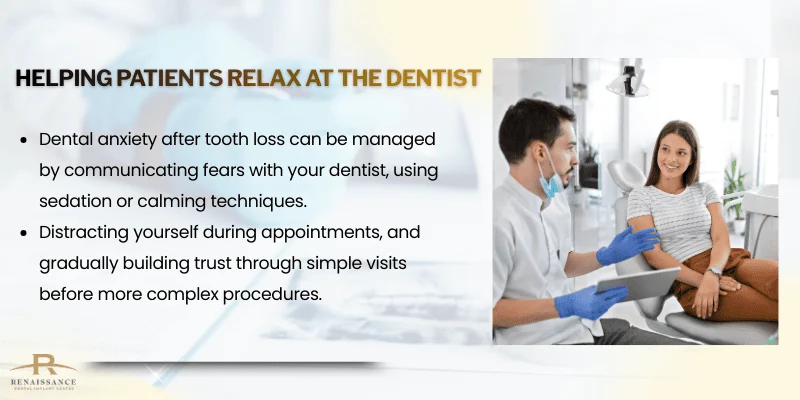
Fear of dental visits often intensifies after tooth loss, creating a cycle that prevents you from seeking restorative care. Dental anxiety affects many people and can be overcome with the right approach.
Communicate openly with your dentist about your fears. Many dental professionals offer sedation options or can adjust their approach to make you more comfortable. Ask questions about procedures beforehand so you know exactly what to expect.
Distraction techniques work well during appointments. Listening to music, watching videos, or using stress balls gives your mind something else to focus on. Some offices provide virtual reality headsets or other calming amenities.
Gradual exposure helps too. Start with simple consultations before moving to more complex procedures. Building trust with your dental team makes future visits less stressful and helps you take steps toward restoring your smile.
Restorative Solutions: Regaining Your Smile and Emotional Health
Dental treatments can restore both the function and appearance of your teeth while helping rebuild your confidence. Modern restorative dentistry offers several options that address the physical gaps in your smile and the emotional impact of missing teeth.
Dental Implants and Their Benefits
Dental implants are titanium posts that replace missing teeth by anchoring into your jawbone. They function like natural tooth roots and support permanent crowns that look and feel real.
Key advantages of dental implants include:
- Prevent bone loss by stimulating your jawbone
- Last 20+ years with proper oral hygiene
- No need to alter adjacent teeth
- Eat, speak, and smile naturally
Implants help restore your confidence and mental wellness by providing a permanent solution. Your dental professionals will evaluate your jawbone health and create a treatment plan tailored to your needs. While implants cost more upfront than other options, many patients find the long-term benefits worth the investment.
Dental Bridges and Cosmetic Options
Dental bridges fill gaps by anchoring artificial teeth to your adjacent teeth on either side. Your dentist prepares the neighboring teeth by placing crowns on them to support the bridge.
Bridges restore your smile quickly, typically within two visits. They cost less than implants and don’t require surgery. However, your dentist must reshape healthy adjacent teeth to fit the crowns.
Cosmetic dentistry options like veneers can complement bridges or fix other visible issues. Veneers cover the front surface of teeth to improve color, shape, or alignment. Combined treatments help create a natural-looking smile that enhances your self-esteem.
Removable Dentures and Managing Ill-Fitting Appliances
Removable dentures replace multiple missing teeth and can be partial or full sets. Modern dentures look more natural and feel more comfortable than older versions.
Denture care tips:
- Clean daily with denture cleaner
- Remove at night to let gums rest
- Store in water to prevent warping
- Visit your dentist for adjustments
Ill-fitting dentures cause sore spots, difficulty eating, and embarrassment. If your dentures slip or click when you talk, schedule a dental care appointment for adjustments or relining. Well-fitted dentures help you speak clearly and eat comfortably, reducing the anxiety that comes with missing or damaged teeth.
Comprehensive Treatment Planning with Dental Professionals
Your dental professionals will examine your mouth, take X-rays, and discuss your goals before recommending treatments. A comprehensive treatment plan considers your oral health, budget, and timeline.
Be honest about your concerns during consultations. Mention any anxiety about appearance, speech difficulties, or eating challenges. Your dentist can prioritize visible teeth first or offer sedation options if you feel nervous.
Your treatment plan may include:
| Phase | Focus |
| Initial | Treat gum disease or decay |
| Restorative | Replace missing teeth |
| Maintenance | Regular cleanings and checkups |
Good oral hygiene helps your restorations last longer. Brush twice daily, floss around bridges or implants, and keep regular dental appointments. Restorative dentistry supports your mental health recovery by addressing both physical and emotional needs.
Frequently Asked Questions
Missing teeth create challenges that affect how you feel about yourself and how you interact with others. Understanding these emotional effects and knowing what help is available can make a big difference in your recovery.
How can missing teeth impact one’s self-esteem and confidence?
Missing teeth change how your smile looks and can make you feel self-conscious about your appearance. You might avoid smiling or laughing around others because you worry about what they think.
This self-consciousness affects your confidence in daily situations. You may feel less sure of yourself during job interviews, meetings, or when meeting new people.
The gap from a missing tooth can make you feel unattractive or less valuable. These feelings can spread into many parts of your life, from personal relationships to work situations.
What are some common emotional responses to tooth loss?
You might feel shocked or in denial when you first lose a tooth. Many people downplay the loss at first as a way to protect themselves from emotional pain.
Anxiety often follows as you start worrying about your appearance and health. You may fear further dental problems or stress about how the missing tooth affects your smile.
Embarrassment and sadness are normal reactions that many people experience. Some people feel grief over losing their natural tooth, similar to losing any other part of their body.
Depression can develop when these feelings combine with social withdrawal and reduced confidence. You might lose interest in activities you once enjoyed or feel hopeless about your situation.
Are there any strategies for improving emotional well-being after losing teeth?
Dental treatment options like implants, bridges, or dentures can restore your smile and boost your confidence. Modern solutions look natural and work well for eating and speaking.
Talking to a therapist can help you work through negative feelings about tooth loss. Cognitive Behavioral Therapy helps you change unhealthy thought patterns and develop better coping skills.
Taking care of your remaining teeth through regular brushing and dental visits protects your oral health. Good oral hygiene can help you feel more confident about your smile.
Regular exercise and a healthy diet improve your mood and overall health. Physical activity reduces stress and helps you feel better about yourself.
How does tooth loss affect social interactions and relationships?
You might avoid social situations where you need to smile, speak, or eat in front of others. Many people skip parties, restaurants, or gatherings because they feel embarrassed.
Speaking and eating difficulties can make casual conversations stressful. You may worry that others notice these challenges, which makes you want to withdraw.
Social withdrawal can lead to loneliness and isolation. When you avoid interactions, you miss out on connections that are important for your emotional health.
Can losing teeth lead to anxiety or depression, and how can one manage these feelings?
Tooth loss can trigger anxiety and depression in many people. The constant worry about appearance and social judgment becomes overwhelming.
Professional counseling gives you tools to handle these difficult emotions. A therapist can teach you strategies to reduce anxiety and improve your mood.
Support groups connect you with others who understand what you’re going through. Sharing experiences with people facing similar challenges helps you feel less alone.
Dental treatment often relieves anxiety and depression by fixing the problem. Once your smile is restored, you typically feel more comfortable in social and professional settings.
What support options are available for individuals struggling with the emotional consequences of missing teeth?
Your dentist can explain treatment options that fit your needs and budget. They work with you to find solutions like dental implants, bridges, or dentures.
Mental health professionals provide therapy to address emotional struggles. They help you process feelings of loss, anxiety, or depression related to your missing teeth.
Support groups offer community and understanding from others with similar experiences. These groups provide emotional support and practical advice for coping.
Cosmetic dentistry services like teeth whitening or veneers can improve your smile’s appearance. These treatments boost confidence alongside tooth replacement options.