

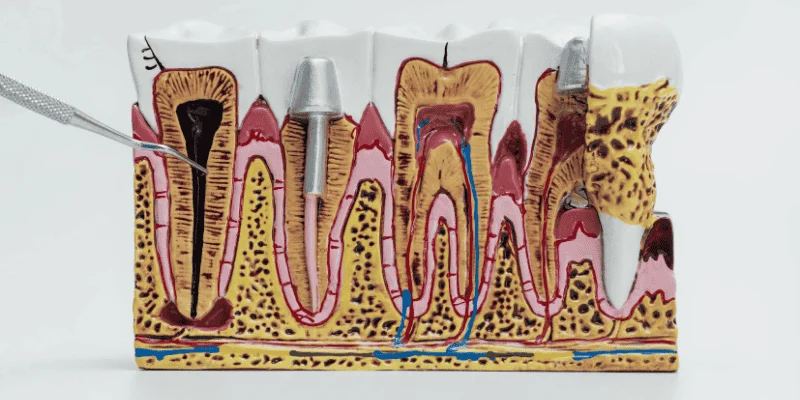
When you have a tooth removed, your jawbone can start to shrink in that area. This happens because the bone no longer gets stimulation from the tooth root.
Without action, this bone loss can affect your face shape and make future dental work harder. It can also put your other teeth at risk.
Your dentist can use special techniques during and after the tooth removal to protect your jawbone. These methods help keep your oral health strong and give you better options for replacing the missing tooth later.
Understanding what causes bone loss and knowing your prevention options makes a big difference. The sooner you act, the better your results will be.
This guide will show you how to protect your jawbone and keep your smile healthy after tooth extraction.
Key Takeaways
- Bone loss after tooth removal happens because the jawbone loses stimulation, but early intervention can prevent or minimize it
- Socket grafting, dental implants, and gentle extraction techniques are effective ways to preserve your bone structure
- Regular dental visits and proper oral care help maintain bone and gum health after having a tooth extracted
Why Bone Loss Happens After Tooth Removal
Your jawbone needs constant stimulation from your teeth to stay healthy and strong. When a tooth is removed, the bone that once supported it no longer receives the signals it needs to maintain itself.
The Role of the Alveolar Bone
The alveolar bone is the part of your jawbone that holds your teeth in place. It forms the tooth sockets and surrounds the roots of each tooth.
This bone is different from the rest of your jawbone because it exists specifically to support your teeth. When your teeth are present, the alveolar bone maintains its shape and density.
It acts like a framework that keeps your teeth stable and helps distribute the force when you bite and chew. The alveolar bone contains blood vessels and cells that constantly work to keep it healthy.
Without teeth, your body sees the alveolar bone as unnecessary. This bone cannot survive on its own for long periods.
It relies completely on the presence of teeth to justify its existence in your body’s economy of resources.
How Tooth Roots Stimulate Jawbone
Your tooth roots do more than just anchor your teeth in place. Every time you chew, bite, or even clench your jaw, your tooth roots transfer force into the surrounding bone.
This mechanical pressure activates blood flow to the area and signals bone cells to stay active. The constant stimulation tells your body that the bone is being used and needs to be maintained.
Blood flow increases and bone cells remain active, which enables the bone to retain its structure. Think of it like exercise for your jawbone structure.
When you lose a tooth through extraction, this stimulation stops immediately. Your body no longer receives signals that the bone in that area is needed.
Resorption and Bone Structure Changes
After tooth extraction, your body starts a process called resorption. This is when your body breaks down and absorbs the bone tissue that is no longer being used.
Your body essentially recycles the bone material because it views it as redundant. The rate of bone loss is fastest in the first six months.
During this time, the bone can lose 32% of its width within three months and up to 63% by six months. The height reduces by 11-22% in the first half year.
This means you can lose about 4mm in thickness and 1mm in height during the initial six-month period. After the first year, approximately 50% of the bone may be gone.
The resorption continues but slows down to about 1% per year after this initial rapid phase.
Early Signs and Risks of Bone Loss
Bone loss after tooth removal often happens quietly, but your body gives you clues. Catching these warning signs early protects your jawbone structure and helps you avoid bigger problems down the road.
Common Symptoms to Watch For
You might not feel bone loss happening right away, but several signs can alert you to changes in your jawbone.
Denture or bridge fit problems are often the first clue. If your dental appliances feel loose or uncomfortable when they used to fit perfectly, your jawbone may be shrinking and changing the shape of your mouth.
Teeth near the extraction site may start to shift or feel loose. You might notice gaps forming between teeth that weren’t there before.
Your bite can feel uneven or different when you chew. Gum recession around the missing tooth area is another red flag.
When bone disappears, the gums follow and pull back from surrounding teeth. Some people experience increased tooth sensitivity to hot or cold foods.
Others notice difficulty chewing or discomfort when biting down on certain foods.
Consequences for Oral Health and Appearance
Bone resorption affects more than just your missing tooth area. Your entire mouth and face can change.
Neighboring teeth lose support and may tilt or drift into the empty space. This creates bite problems that make chewing harder and can lead to jaw pain or headaches.
Your facial appearance gradually changes as bone loss continues. The lower face can look shorter or sunken.
Wrinkles and lines around your mouth may deepen, making you look older than your actual age. One missing tooth weakens the jawbone, which affects nearby teeth, which can lead to more tooth loss.
Each lost tooth speeds up bone loss in surrounding areas. Shifted teeth create spaces where food gets trapped and bacteria multiply, increasing your risk of gum disease and decay.
Risks of Delaying Treatment
Waiting to replace a missing tooth gives bone loss time to progress. The longer you wait, the harder the treatment becomes.
Dental implants may become impossible without extensive bone grafting. Your jawbone needs enough height and width to support an implant.
Once too much bone disappears, you need extra procedures to rebuild it first. The cost of treatment increases dramatically.
Simple solutions that work right after extraction become complex, expensive procedures months or years later. Your remaining teeth face higher risks.
They work harder to compensate for the missing tooth, which wears them down faster and makes them more likely to crack or break. Full or partial dentures won’t stop bone loss and may even speed it up by putting pressure on your gums without stimulating the bone underneath.
Effective Strategies to Prevent Bone Loss
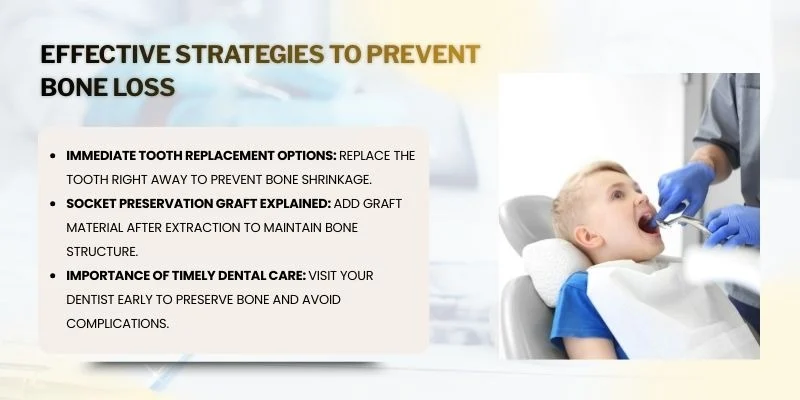
Taking action right after tooth removal can protect your jawbone from shrinking. Replacing the missing tooth quickly, using bone grafting materials, and getting prompt dental care all work together to keep your alveolar bone healthy and strong.
Immediate Tooth Replacement Options
Getting a dental implant placed right after extraction is one of the best ways to stop bone loss before it starts. The implant acts like a natural tooth root and sends signals to your jawbone that keep it active and healthy.
When you wait too long to replace a missing tooth, your alveolar bone starts to break down because it no longer gets the pressure and movement it needs from chewing. A dental implant solves this problem by anchoring directly into the bone.
Benefits of immediate tooth replacement:
- Keeps your jawbone from shrinking
- Cuts down on the number of surgeries you need
- Helps your gums stay in their natural shape
- Saves you time during the healing process
Your dentist can often combine immediate implant placement with bone grafting for even better results. This approach gives you the strongest foundation for your new tooth while protecting the bone structure around it.
Socket Preservation Graft Explained
A socket preservation graft fills the empty tooth socket with special bone material right after your tooth comes out. This technique keeps your jaw from collapsing in that area and maintains the natural shape of your gums.
Your dentist places the bone graft material into the socket and covers it with a protective membrane. The graft material acts as a scaffold that encourages your natural bone to grow and fill in the space.
Over the next few months, your body replaces the graft material with your own healthy bone tissue. This method works well when you plan to get an implant later but can’t have one placed right away.
The graft keeps your jawbone ready and strong for future dental work. Without this step, you might lose so much bone that you need a bigger surgery before getting your implant.
Importance of Timely Dental Care
Getting dental care quickly after tooth removal makes a huge difference in preventing bone loss complications. Your bone starts to shrink within just a few weeks of losing a tooth, so waiting too long limits your treatment options.
Schedule a consultation with your dentist as soon as you know you need an extraction. They can plan the best approach to protect your bone before the tooth even comes out.
Early planning lets you take advantage of techniques like socket grafting or immediate implant placement. Regular dental checkups after your extraction help catch any problems early.
Your dentist can spot signs of bone loss and step in before it becomes serious. Professional cleanings prevent infections that could hurt your healing process and damage your jawbone health even more.
Dental Implants and Other Tooth Replacement Solutions
Different tooth replacement options affect your jawbone in very different ways. Dental implants are the only solution that can actually stop bone loss, while other options like dentures and bridges sit on top of your gums without protecting the bone underneath.
How Dental Implants Help Preserve Jawbone
A dental implant works like an artificial tooth root made from titanium. Your dentist surgically places it into your jawbone where your missing tooth used to be.
The implant fuses with your bone through osseointegration, creating a strong connection. When you chew food, the implant sends pressure signals to your jawbone just like a natural tooth root would.
This stimulation keeps your bone active and healthy. Your jawbone needs this pressure to stay strong.
Without it, the bone thinks it’s not needed anymore and starts to shrink. Dental implants are the only tooth replacement option that prevents this shrinking process.
The benefits go beyond just saving bone. Implants help maintain your facial structure and prevent the sunken look that happens with bone loss.
They also keep your nearby teeth from shifting out of place. Dental implants have a 95% success rate in preventing further bone loss when placed immediately after extraction.
Bone Grafting Procedures for Implant Candidates
You might need a bone graft if you’ve already experienced significant bone loss. This procedure adds new bone material to strengthen your jawbone before implant placement.
Even with severe bone loss, you can still get dental implants after bone grafting. Your dentist uses special imaging to check how much bone you have and determine if grafting is necessary.
The grafting process rebuilds enough bone structure to support an implant successfully. The graft material can come from your own body, a donor, or synthetic sources.
Your oral tissue and jawbone structure need time to heal after grafting, usually several months. Modern techniques make dental implants with bone loss not only possible but highly successful.
Your dentist will create a treatment plan based on your specific situation.
Limitations of Dentures and Bridges
Dentures and bridges can replace your missing teeth, but they don’t replace the tooth root. They rest on top of your gums instead of anchoring into your jawbone.
Without root stimulation, your bone continues to shrink even with these restorations in place. This creates several problems over time:
- Loose-fitting dentures that need frequent adjustments
- Difficulty chewing certain foods
- Facial collapse from ongoing bone loss
- Shifting teeth near the gap
Dentures can become uncomfortable as your jawbone changes shape. You might need new dentures every few years as bone loss continues.
Bridges require grinding down healthy teeth next to the gap. This can weaken them over time.
Maintaining Bone and Gum Health After Tooth Removal
Good oral hygiene, proper nutrition, and managing gum problems are key to protecting your jawbone and surrounding tissue after extraction. These steps support healing and help prevent bone loss after tooth removal.
Oral Hygiene Best Practices
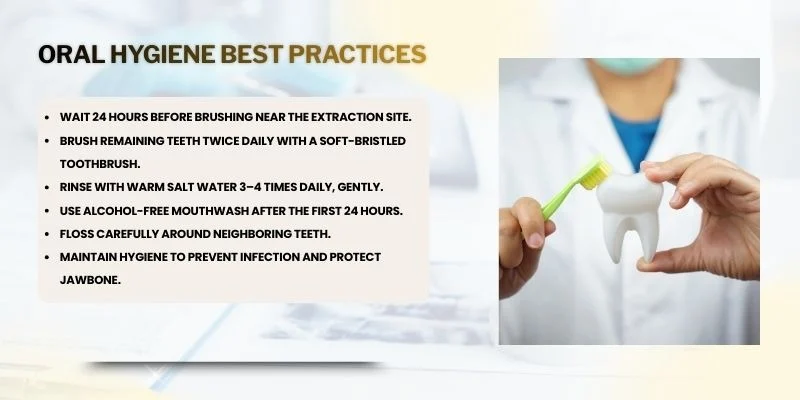
Keeping your mouth clean after tooth removal helps prevent bone and gum loss while protecting the extraction site from infection. Wait 24 hours before brushing near the socket, then gently clean around the area using a soft-bristled toothbrush.
Rinse your mouth with warm salt water 3-4 times daily, especially after meals. Mix half a teaspoon of salt in eight ounces of warm water and swish gently without vigorous rinsing that could dislodge the blood clot.
Important cleaning steps:
- Brush remaining teeth twice daily
- Avoid the extraction site for the first week
- Use alcohol-free mouthwash after the first 24 hours
- Floss carefully around neighboring teeth
Maintaining excellent oral hygiene prevents bacteria buildup that can lead to infection and compromise bone health. Poor cleaning habits allow periodontal disease to develop, which accelerates bone resorption in your jaw.
Nutrition and Lifestyle Tips
Your diet and daily habits directly affect how well your oral tissue heals and whether your jawbone stays strong. Eat foods rich in calcium and vitamin D like milk, yogurt, cheese, and leafy greens to support bone density.
Protein helps rebuild gum tissue, so include eggs, fish, chicken, and beans in your meals. Vitamin C from oranges, strawberries, and bell peppers promotes healing and strengthens your gums.
Foods to avoid:
- Alcohol, which can erode the bone in the socket
- Sugary drinks that feed harmful bacteria
- Hard or crunchy foods that irritate the site
- Very hot beverages in the first few days
Stop smoking completely, as tobacco use increases infection risk, slows healing, and makes bone loss worse. Stay hydrated by drinking plenty of water throughout the day.
Managing Periodontal and Gum Disease
Periodontal disease is a major cause of continued bone loss after extraction and can affect your remaining teeth. This infection of the gums destroys the bone that holds teeth in place, creating a cycle of deterioration.
Watch for warning signs like red or swollen gums, bleeding when brushing, persistent bad breath, or loose teeth near the extraction site. These symptoms need immediate attention from your dentist.
If you already have gum disease, follow your treatment plan carefully. This might include deep cleanings, antibiotics, or special rinses to control bacterial growth.
Regular dental checkups every 3-6 months help catch problems early. Keep the area around the extraction clean to prevent new infections from starting.
Untreated periodontal disease will continue destroying bone even after your tooth is gone. This makes future dental work like implants much harder.
Frequently Asked Questions
Bone loss after tooth extraction raises many questions about timing, prevention methods, and long-term outcomes. Understanding the answers can help you make informed decisions about protecting your jawbone health.
What can be done to encourage bone regeneration following a tooth extraction?
Bone grafting is one of the most effective ways to encourage bone regeneration after your tooth is removed. Your dentist places bone material into the empty socket right after extraction to fill the space and stimulate new bone growth.
Dental implants also promote bone regeneration by acting like natural tooth roots. They provide the stimulation your jawbone needs to stay strong and healthy.
PRF therapy uses your own blood platelets to speed up healing and improve bone regeneration. This treatment can be combined with bone grafting for better results.
How rapidly can bone density deteriorate after a tooth is removed, and what influences its speed?
Bone loss can occur within six weeks after extraction, with the most dramatic changes happening in the first few months. You can lose up to 25% of bone volume in the extraction area within the first year alone.
Several factors influence how quickly your bone deteriorates. Your age, overall health, and nutrition all play a role in bone loss speed.
The location of the missing tooth matters too. Front teeth typically experience faster bone loss than back teeth because they have thinner bone surrounding them.
Is it possible to reverse bone loss that has occurred due to a tooth extraction?
You can rebuild lost bone through bone grafting procedures even months or years after your tooth extraction. The graft adds volume back to the jawbone and creates a foundation for dental implants.
All-on-4 dental implants offer another solution if you have significant bone loss. This system uses just four strategically placed implants to support a full arch of replacement teeth without requiring extensive bone grafting.
The success of reversing bone loss depends on how much bone you’ve lost and how long you’ve waited. Earlier intervention typically leads to better outcomes.
What specific steps can be taken to prevent bone loss after removing a wisdom tooth?
Socket preservation through bone grafting works well after wisdom tooth removal, especially if you want to maintain the bone structure in that area. Your dentist can place bone material in the socket immediately after extraction.
Keeping the area clean and following your dentist’s aftercare instructions helps prevent infections that could worsen bone loss. Avoid smoking and using straws, as these activities can disrupt healing.
Eating a nutritious diet rich in calcium and vitamin D supports bone health during the healing process. Soft foods that don’t require heavy chewing work best in the first few weeks.
Are there any natural remedies or treatments to prevent bone loss after dental surgery?
Good nutrition plays an important role in maintaining bone health after tooth extraction. Calcium-rich foods like dairy products, leafy greens, and fortified foods support bone strength.
Vitamin D helps your body absorb calcium more effectively. You can get vitamin D from sunlight, fatty fish, and supplements if needed.
Avoiding tobacco and excessive alcohol consumption helps preserve bone density. Both substances interfere with bone healing and can speed up bone loss.
Gentle jaw exercises after the initial healing period can help stimulate blood flow to the area. Always check with your dentist before starting any exercise routine.
What are the long-term effects of tooth removal on jawbone integrity?
Untreated bone loss leads to a sunken facial appearance over time. Your cheeks may look hollow, and your face can appear older than your actual age.
Nearby teeth may shift into the empty space, causing bite misalignment. This shifting can make it harder to chew properly.
Severe bone loss makes it more difficult to fit dentures properly. The lack of bone structure means dentures may slip or feel uncomfortable.
Future dental implant placement becomes more challenging and expensive when significant bone loss occurs. You may need extensive bone grafting before implants can be placed successfully.