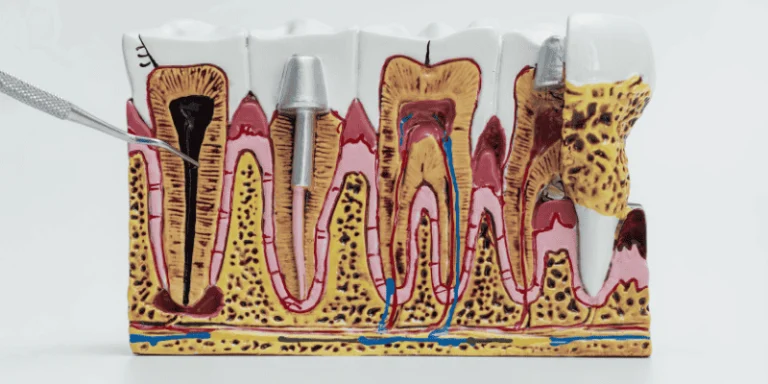


Losing a tooth might not seem like an urgent problem, especially if it’s not visible when you smile. Many people think they can wait to deal with it later or that they can get by without replacing it at all. But putting off tooth replacement can lead to serious problems that go far beyond how your smile looks.
When you delay replacing a missing tooth, your jawbone starts to break down, your other teeth begin to shift out of place, and your bite can become misaligned. These changes happen gradually, so you might not notice them at first.
But over time, they can make replacing the tooth more difficult and expensive than if you had acted sooner.
The good news is that understanding what happens when you wait can help you make better choices for your oral health. Whether you lost a tooth recently or it’s been missing for a while, knowing the risks and your options can help you take the right next steps.
Key Takeaways
- Delaying tooth replacement causes jawbone loss, teeth shifting, and bite problems that worsen over time
- The longer you wait to replace a missing tooth, the more complex and costly the treatment becomes
- Multiple tooth replacement options are available even if you’ve delayed treatment for months or years
Prevent the consequences of delaying tooth replacement with expert care in Metairie, LA.
How Delaying Tooth Replacement Impacts Oral Health
When you put off replacing a missing tooth, your mouth doesn’t just stay the same. Your jawbone starts to break down, nearby teeth begin to move, and your gums can develop serious problems that affect your whole mouth.
Bone Loss and Jawbone Deterioration
Your teeth do more than help you chew. They stimulate your jawbone every time you bite down. When you lose a tooth, that stimulation stops, and your body starts to absorb the bone that used to support it.
This process is called bone resorption. It happens quickly at first. You can lose up to 25% of your jawbone width in the first year after tooth loss.
Bone loss from delaying tooth replacement makes future treatment harder and more expensive. If you wait years to get a dental implant, you might need extra bone grafting procedures first. The thin walls of bone around the empty socket collapse and get narrower and shorter.
Your face can also change shape. When your jawbone shrinks, your face can look sunken in. This ages your appearance and can hurt your confidence.
Teeth Shifting and Bite Problems
Your teeth stay in place because they support each other. When one tooth is missing, the teeth around it start to drift into the empty space.
The tooth above or below the gap can grow longer since nothing is stopping it. Teeth next to the gap tilt toward it. This creates spaces between other teeth that weren’t there before.
These shifting teeth cause bite problems that affect how your upper and lower teeth come together. Your jaw might not close properly anymore. You could develop pain in your jaw joint or have trouble chewing certain foods.
Crooked teeth are also harder to clean. Food gets stuck in the new gaps, which raises your risk of decay and gum disease.
Gum Health Concerns
Missing teeth put extra stress on your gums. The gum tissue around the empty space has no protection and can shrink back.
Food particles and bacteria collect where the tooth used to be. This makes periodontal problems more likely to develop. Your gums might become red, swollen, or bleed easily.
Gum disease can spread to the teeth next to the gap. The infection weakens the bone and tissue that hold your other teeth in place. Without treatment, you could lose more teeth.
Increased Risk of Cavities
You end up using your remaining teeth differently when one is missing. This puts more pressure on fewer teeth during chewing.
The teeth that take on extra work wear down faster. The uneven pressure can create small cracks in your tooth enamel where bacteria hide. Your other teeth also shift position, creating tight spaces that your toothbrush and floss can’t reach well.
Food gets trapped in these hard-to-clean areas. Bacteria feed on the trapped food and produce acid that eats away at your enamel. This leads to more cavities in teeth that were healthy before.
Get evaluated for missing teeth and bone loss treatment in Metairie, LA.
Functional and Aesthetic Consequences of Missing Teeth
When you lose a tooth, the effects go far beyond the empty space in your mouth. Missing teeth impact how you eat, speak, look, and feel about yourself in ways that affect your daily life.
Chewing Efficiency and Nutrition
Your teeth work together to break down food properly. When you have a missing tooth, the gap disrupts this process and makes chewing much harder.
You might find yourself avoiding certain foods that are difficult to chew. Crunchy vegetables, tough meats, and hard fruits become challenging or even painful to eat. This often leads to choosing softer, processed foods that are easier to manage but less nutritious.
Missing teeth can limit your ability to enjoy a variety of foods, which directly affects your nutrition. Over time, poor nutrition from avoiding healthy foods can lead to health problems beyond your mouth. Your body needs the vitamins and minerals from a balanced diet to stay healthy.
The teeth next to the gap also have to work harder during chewing. This extra pressure can wear them down faster and cause jaw pain or discomfort when you eat.
Speech Difficulties
Your teeth play an important role in forming certain sounds when you speak. A missing tooth can make it harder to pronounce words clearly.
Sounds like “s,” “th,” and “f” require your tongue to interact with your teeth. When a tooth is missing, especially in the front of your mouth, these sounds can come out differently. You might notice a whistling sound or slurred speech.
Missing teeth can make certain sounds difficult to articulate, which affects everyday conversations. This can make you feel self-conscious when talking to others at work, with friends, or in social situations.
Facial Appearance Changes
Your teeth support your lips and cheeks from the inside. When you lose teeth, this support disappears and your face can start to change shape.
Missing teeth can cause the face to appear sunken, leading to hollowed cheeks and deeper lines around your mouth. The bone in your jaw also starts to shrink because it’s no longer being stimulated by the tooth root. This process is called bone resorption.
As the bone shrinks, your facial structure changes. Your chin may look more pointed or your face may appear shorter. These changes can make you look older than you actually are.
Complete tooth loss or multiple missing teeth create even more dramatic changes. Your face may sag and your lips can appear thinner without teeth to support them.
Decreased Self-Esteem
Your smile is often the first thing people notice about you. When you have missing teeth, it can seriously affect how you feel about yourself.
Many people with missing teeth feel embarrassed about their appearance. You might cover your mouth when you laugh or smile less often to hide the gap. Social situations like eating with others or meeting new people can feel stressful.
Tooth loss can understandably affect self-esteem, leaving you feeling shy or socially withdrawn. This emotional impact is just as real as the physical changes. Some people avoid job interviews, dating, or having their picture taken because they feel self-conscious.
The good news is that modern dentistry offers ways to restore your smile and help you feel confident again. Addressing missing teeth early can prevent these emotional challenges from affecting your quality of life.
Explore your options to replace missing teeth before problems worsen.
Progression of Bone Loss and Its Long-Term Effects
When you lose a tooth, your jawbone starts to break down within just a few months. The bone loss gets worse over time and can make future dental work more difficult and expensive.
Timeline of Jawbone Changes After Tooth Loss
Your jawbone begins changing as soon as you lose a tooth. Within the first three to six months, you can lose up to 25% of the bone width in that area. This happens because teeth normally send signals to your jawbone through biting and chewing, which tells your body to keep the bone strong.
After the first year, bone resorption continues but at a slower rate. You’ll lose about 4 millimeters of bone height over the next few years. The bone keeps shrinking for as long as the tooth remains missing.
Key bone loss milestones:
- Months 1-3: Initial bone loss starts
- Months 3-6: Up to 25% of bone width disappears
- Year 1: About 4mm of height loss
- Years 2+: Continued gradual shrinking
The back teeth area loses bone faster than the front because these teeth handle more chewing force.
Bone Grafting and Advanced Procedures
When you wait too long to replace a missing tooth, you might need bone grafting before getting implants. This adds extra steps, time, and cost to your treatment.
Bone grafting involves placing natural or synthetic bone material into your jaw. The material helps grow new bone over several months. Minor grafts heal in three to four months, while major grafts can take six to nine months.
You’ll need bone grafting if your jawbone is too thin or weak to support an implant. The procedure costs between $300 and $3,000 depending on how much bone you’ve lost. More severe bone loss requires more complex grafts using bone from other parts of your body.
Preventing Bone Loss with Timely Replacement
The best way to prevent bone loss is to replace your missing tooth quickly. Replacing a tooth within the first few months stops bone loss before it becomes severe.
Dental implants work best for preventing bone loss because they replace the tooth root. The implant post goes into your jawbone and acts like a natural root. When you chew, the implant sends signals to your bone that keep it healthy and strong.
Options that preserve jawbone health:
- Dental implants (best option)
- Implant-supported bridges
- Full arch implant dentures
Regular bridges and dentures don’t stop bone loss because they sit on top of your gums. They don’t stimulate the jawbone like implants do. Getting treatment within six months gives you the best chance of avoiding bone grafting and keeping your natural bone structure intact.
Impact on Bite Alignment and Dental Structure
When you lose a tooth, your bite and the position of your other teeth start to change within months. The surrounding teeth shift into the empty space, which creates problems with how your upper and lower teeth meet together.
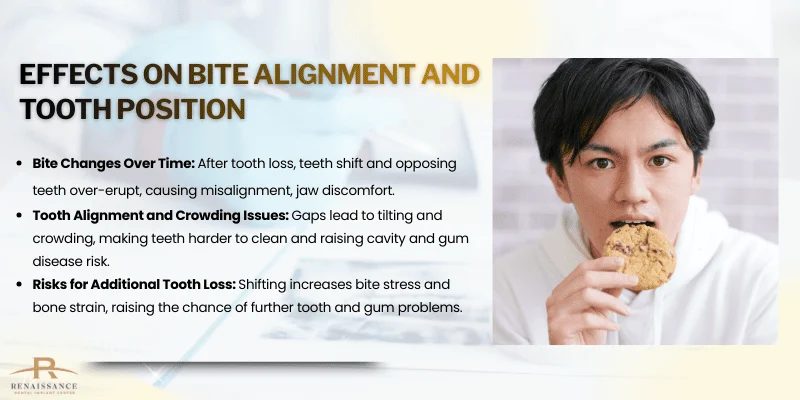
Bite Changes Over Time
Your bite changes gradually after tooth loss because your teeth need each other for support. When one tooth is missing, the teeth on either side start to lean or tilt toward the gap. The tooth above or below the missing space can also drift up or down since it no longer has anything to bite against.
These bite changes affect your jaw alignment and put stress on your jaw joints. You might notice pain when chewing or hear clicking sounds when you open your mouth. Some people develop uneven wear patterns on their remaining teeth because they chew differently to avoid the gap.
The longer you wait to replace a missing tooth, the more your bite shifts out of place. This makes it harder to chew food properly and can lead to headaches or jaw pain.
Tooth Alignment and Crowding Issues
Teeth shifting is one of the most common problems when you delay tooth replacement. Your teeth naturally move throughout your life, but they move faster when there’s an empty space next to them. The neighboring teeth can rotate, tilt forward, or lean sideways into the gap.
This movement creates crowding in some areas of your mouth and spacing problems in others. Teeth that were once straight might become crooked or overlapped. These alignment issues increase your risk for cavities and gum disease because crooked teeth are harder to clean.
Front teeth often shift more noticeably than back teeth, which can affect your smile.
Risks for Additional Tooth Loss
Missing one tooth increases your chances of losing more teeth over time. When teeth shift out of position, they don’t distribute chewing forces evenly anymore. Some teeth end up handling more pressure than they should, which weakens them and damages the bone around their roots.
The risks of delaying tooth replacement include bone loss in your jaw, which removes the foundation that holds your other teeth in place. Teeth that have shifted or tilted are also more prone to cracking or breaking because they’re positioned at awkward angles.
Gum disease becomes more likely around shifted teeth because food gets trapped in hard-to-reach areas. When gum disease progresses, it destroys the tissue and bone supporting your teeth, which eventually leads to more tooth loss.
Tooth Replacement Options After Delays
Even if you’ve waited months or years to address a missing tooth, you still have effective ways to restore your smile. Modern dentistry offers solutions that work for different timelines, budgets, and levels of bone loss.
Dental Implants After Bone Loss
Dental implants remain the most durable option for tooth replacement, even when significant time has passed. If you’ve experienced bone loss, your dentist may recommend a bone graft to rebuild the foundation needed to support an implant.
This procedure adds bone material to your jaw, which then fuses with your natural bone over several months.
A sinus lift is another option if you’ve lost upper back teeth and need more bone height. While these extra steps extend your treatment timeline by several months, dental implants after delay can still provide a strong, permanent solution.
Implants look and function like natural teeth and help prevent further bone deterioration.
Most patients can still qualify for implants years after tooth loss. Your dentist will evaluate your bone density and overall health to create a personalized treatment plan.
Dental Bridge Solutions
A dental bridge uses the teeth on either side of the gap to support a replacement tooth. Your dentist shapes the neighboring teeth and places crowns over them, with the artificial tooth attached in between. This creates a “bridge” across the empty space.
Bridges work well if you want to avoid surgery or need a faster solution than implants. The entire process typically takes two to three weeks. However, bridges don’t prevent bone loss underneath the replacement tooth, and they require altering healthy teeth for support.
Traditional bridges last 5 to 15 years with proper care. You’ll need to clean under the bridge daily and maintain regular dental checkups.
Partial and Complete Dentures
Partial dentures replace one or several missing teeth using a removable appliance that clips onto your remaining teeth. Complete dentures replace all teeth in your upper or lower jaw. Both options restore basic chewing function and improve your appearance.
Dentures are typically the most affordable tooth replacement option. You can get them relatively quickly, often within a few weeks. Modern dentures look natural and fit comfortably when properly made.
The main drawback is that dentures don’t stop bone loss and may feel less stable than implants or bridges. You’ll need to remove them daily for cleaning and may need adjustments as your jaw changes shape over time.
Steps to Restore Your Smile and Oral Health
Getting your smile back starts with a professional evaluation and selecting a replacement option that fits your needs. Following through with proper care after treatment protects your investment and keeps your mouth healthy.
Consultation and Assessment

Your first step is scheduling an appointment with a dentist who can examine your mouth and take X-rays. They’ll check the condition of your jawbone, look at how your remaining teeth have shifted, and evaluate your gum health.
During this visit, your dentist will measure bone density in the area where your tooth is missing. If you’ve waited months or years, you might need a CT scan to get a detailed view of your bone structure. This helps determine if bone grafting or other procedures are needed before placing an implant.
Your dentist will also discuss your medical history and any medications you take. Certain conditions like diabetes or osteoporosis can affect healing and tooth replacement success. Being honest about your health helps your dentist create the safest treatment plan for you.
Choosing the Right Tooth Replacement
You have three main tooth replacement options to restore your smile: dental implants, bridges, and partial dentures. Each works differently and has its own benefits.
Dental implants are titanium posts placed into your jawbone that act like natural tooth roots. They prevent bone loss and can last decades with proper care. Implants work well for single teeth or multiple missing teeth.
Bridges attach to your natural teeth on either side of the gap. Your dentist shapes these neighboring teeth to support the bridge, which holds a false tooth in the middle. Bridges restore function but don’t stop bone loss underneath.
Partial dentures are removable appliances that clip onto your remaining teeth. They’re usually the most affordable option and can replace several teeth at once. However, they may feel less stable than implants or bridges.
Your dentist will recommend an option based on your bone health, budget, and how many teeth you need replaced.
Maintaining Oral Health After Replacement
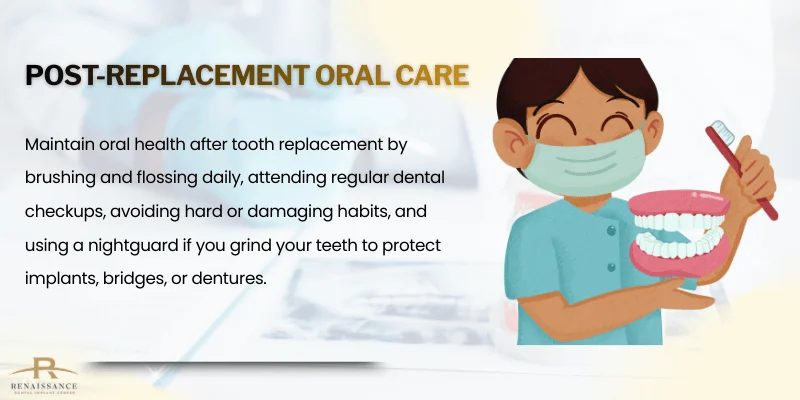
Brush twice daily and floss around your replacement teeth just like you would natural ones. Implants can’t get cavities, but the gum tissue around them needs care to prevent infection.
Visit your dentist every six months for cleanings and checkups. They’ll examine your replacement teeth, check for any movement, and clean areas you might miss at home. If you have implants, maintaining your oral health helps them last longer and prevents complications.
Avoid chewing ice, hard candies, or using your teeth as tools. These habits can damage replacement teeth just like they harm natural ones. If you grind your teeth at night, ask your dentist about a nightguard to protect your investment.
Frequently Asked Questions
Missing teeth create a ripple effect throughout your mouth that impacts everything from jaw alignment to your overall health. Many people wonder about specific consequences they might face if they choose to wait.
Can missing teeth lead to changes in my bite or jaw alignment?
Yes, missing teeth can definitely change your bite and jaw alignment. When you lose a tooth, the neighboring teeth start to shift into the empty space over time.
This movement throws off the way your upper and lower teeth fit together. Your bite becomes uneven, which can make chewing uncomfortable or even painful.
The shifting also affects your jaw joint. You might notice clicking sounds or develop jaw pain because your jaw is working harder to compensate for the missing tooth.
What are the potential effects on nutrition and digestion from not replacing a missing tooth?
Missing teeth make it harder to chew your food properly. You might start avoiding certain foods like raw vegetables, nuts, or meat because they’re too difficult to eat.
When you can’t chew food thoroughly, larger pieces enter your stomach. Your digestive system has to work harder to break down these bigger chunks, which can lead to digestive problems.
Over time, avoiding nutritious foods can lead to vitamin and mineral deficiencies. You might not get enough protein, fiber, or important nutrients your body needs to stay healthy.
Are there any social or psychological impacts of delaying tooth replacement?
Missing teeth can seriously affect your confidence and social life. You might feel embarrassed to smile, laugh, or speak in front of others.
Many people with missing teeth experience confidence issues that affect their personal and professional relationships. You might avoid social situations, job interviews, or dating because you’re self-conscious about your appearance.
Speech can also be affected, especially if you’re missing front teeth. You might notice a lisp or have trouble pronouncing certain words clearly, which can make you feel even more uncomfortable in conversations.
How could postponing tooth replacement affect the surrounding teeth?
Your surrounding teeth depend on each other for support and proper spacing. When one tooth is missing, the teeth next to the gap start to shift and tilt toward the empty space.
The tooth above or below the missing tooth can also drift out of position. This movement creates gaps between other teeth and makes them harder to clean properly.
As teeth shift, they become more vulnerable to problems. The uneven spacing traps food and bacteria, putting your remaining teeth at greater risk for decay and damage.
Is there an increased risk of gum disease or tooth decay if I wait to replace a tooth?
Yes, the gaps and shifted teeth from a missing tooth create perfect hiding spots for bacteria. Food particles get stuck in these new spaces and are much harder to remove with regular brushing and flossing.
The bacteria buildup leads to plaque and tartar formation. This increases your risk of developing gum disease, which can cause red, swollen, and bleeding gums.
The teeth that shifted into awkward positions are also more prone to cavities. You simply can’t clean them as effectively as you could when they were properly aligned.
What long-term oral health issues can arise from not replacing a lost tooth in a timely manner?
Bone loss is one of the most serious long-term consequences of not replacing a missing tooth. Your jawbone needs stimulation from tooth roots to stay strong and maintain its density.
Without that stimulation, the bone starts to shrink and deteriorate. This bone loss can give your face a sunken appearance and make you look older than you are.
The longer you wait, the more bone you lose. If you eventually decide to get dental implants, you might need additional bone grafting procedures to rebuild the lost bone before implants can be placed.
The surrounding teeth become weaker as the bone deteriorates. You could end up losing more teeth because they don’t have enough bone support to stay firmly in place.