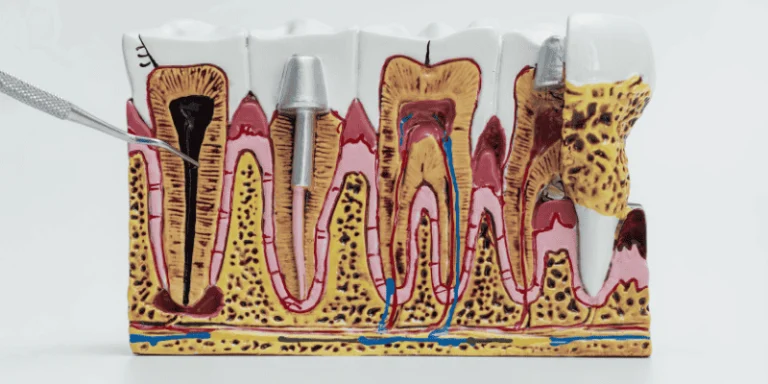


Delaying a needed tooth extraction can lead to serious problems that affect your comfort and health. When a tooth is badly damaged, infected, or causing pain, waiting too long to remove it can make the issue worse.
Ignoring the problem may cause increasing pain, infection spread, and damage to your jawbone and nearby teeth.
You might think a little discomfort will go away on its own, but untreated dental issues usually get worse over time. The longer you wait, the harder and more expensive the treatment can become.
Key Takeaways
- Delaying extraction can cause more pain and infection.
- Damage can spread to other teeth and bone.
- Early treatment usually costs less and heals faster.
Why Tooth Extraction May Be Recommended
Sometimes, a tooth needs to be taken out to stop ongoing problems and protect your oral health. This is often the best step when the damage is too severe to fix with fillings or other treatments.
Certain conditions can make keeping the tooth more harmful than removing it.
Severe Tooth Decay and Cavities
When decay spreads deep inside a tooth, it can cause pain and infection. If a cavity is very large or has reached the pulp (the tooth’s nerve), a simple filling may not help.
In these cases, the tooth can become weak, cracked, or badly infected. If the infection is severe and can’t be controlled with root canal treatment, your dentist might recommend extraction.
This stops the infection from spreading to your gums or jawbone, which could lead to more serious health problems. Removing a tooth damaged by decay makes room for proper healing and keeps your mouth healthier.
Advanced Gum Disease
Gum disease, also called periodontal disease, can cause your gums to pull away and the bone supporting your teeth to weaken. When this happens, teeth can become loose or unstable.
If your tooth has been affected by advanced gum disease, it might need to be removed. Leaving it in place can let the infection spread to nearby teeth and bone.
Extraction in this case prevents further bone loss and helps control the overall gum infection. Your dentist will carefully check your gums and bone before deciding if extraction is necessary.
Sometimes, early treatment can save a tooth, but when damage is too far along, removing it protects your oral health.
Impacted and Overcrowded Teeth
Impacted teeth are teeth that don’t have enough room to grow properly, often stuck under your gums or pressing against other teeth. Wisdom teeth are the most common to become impacted.
If an impacted tooth pushes on nearby teeth, it can cause pain, swelling, or infection. Overcrowding can also lead to shifting and misaligned teeth, which may affect your bite and smile.
Your dentist may suggest extraction to prevent these problems. Removing impacted or overcrowded teeth early can ease pain and stop damage to other teeth.
It can also reduce the need for more complex treatments like braces later.
Broken or Traumatized Teeth
Teeth that are cracked or broken from an injury can sometimes be repaired. But when the damage is severe (such as a large fracture that reaches the root or a tooth shattered beyond repair) removal might be the best choice.
Broken teeth can cause pain, lead to infection, or interfere with how you chew. Leaving a badly damaged tooth in your mouth increases the risk of infections spreading to the gums and jawbone.
Extracting a broken tooth removes a source of pain and infection. Afterward, your dentist can discuss options to replace the missing tooth and restore your bite.
Immediate Consequences of Delaying Tooth Removal

When you put off getting a needed tooth pulled, the problems don’t just stay small. The infection can spread, pain can get worse, and serious issues like abscesses can develop.
These problems can affect not just the tooth but your whole mouth and even your health.
Spreading Dental Infections
An infected tooth can quickly become a bigger problem if left untreated. Bacteria multiply inside the decayed or damaged tooth, then spread to the gums and nearby teeth.
This can cause inflammation and gum disease, which damages the tissues that hold your teeth in place. If the infection grows beyond your mouth, it might enter your bloodstream.
This can lead to more serious health problems like heart infections, which happen when bacteria travel through your blood.
Increased Toothache and Pain
Waiting too long to remove an infected tooth almost always makes the pain worse. What might start as a mild ache can turn into sharp, persistent tooth pain that makes it hard to eat, speak, or concentrate.
The pain isn’t always just in the tooth either. You might feel it spreading to your jaw, ears, or head.
As the infection worsens, the discomfort increases because the nerve inside the tooth gets more damaged. Managing this pain with over-the-counter medicine can only help for a little while , the infection needs to be treated at its source.
Formation of Dental Abscesses
If infection spreads unchecked, a dental abscess can form. This is a pocket of pus that builds up at the root of the tooth or in the gums.
An abscess causes swelling, intense pain, and sometimes fever or a bad taste in your mouth. Abscesses are serious because they can cause tissue damage and bone loss if the infection gets worse.
In some cases, the infection from an abscess can spread to other areas of your face or neck, which is dangerous. Getting timely tooth extraction is the best way to prevent an abscess and avoid more complicated treatments later.
Damage and Complications Affecting Surrounding Structures
Delaying a needed tooth extraction can cause harm not just to the tooth itself, but also to the nearby teeth, gums, and overall dental alignment. Problems can grow worse, making treatment more difficult and costly.
Damage to Adjacent Teeth
If you avoid removing a damaged or infected tooth, the decay or infection can spread to the teeth next to it. Bacteria travel through the gums and create cavities or infections in neighboring teeth.
This can cause pain and make those teeth unsafe in the long run, possibly requiring more extractions or fillings. Pressure from an impacted tooth can also wear down adjacent teeth or cause cracks.
Acting on a troubled tooth early protects the surrounding teeth and stops the damage from spreading.
Gum Disease Progression
When a bad tooth stays in your mouth too long, it often harbors harmful bacteria. These bacteria infect your gums, leading to gum disease or worsening existing periodontal disease.
Infected gums can become red, swollen, and bleed easily. The infection weakens the bone and tissues that hold your teeth in place.
This can cause more teeth to loosen and fall out if left unchecked. By getting the tooth removed on time, you help stop the infection from damaging your gums and jawbone.
Misalignment and Orthodontic Issues
A damaged tooth, especially a wisdom tooth, that is not extracted can push against nearby teeth. This pressure can cause overcrowding and move teeth out of their normal positions.
Shifting teeth can affect your bite and chewing, and might change the way your smile looks. Over time, this often leads to the need for orthodontic treatment, such as braces, to fix the alignment problems.
Removing problematic teeth earlier makes it easier to maintain a stable, healthy dental structure and avoid more complex dental work later.
Long-Term Oral Health Risks
Delaying a needed tooth extraction can cause serious damage over time. You may face problems that affect your jaw, your other teeth, and the type of dental work you will need later.
Bone Loss in the Jaw
When a damaged or infected tooth stays in your mouth too long, the bone around it begins to break down. This is called bone loss.
Up to 25% of the jawbone can be lost within the first year of a tooth being extracted, especially if not replaced with implants.
Your jaw relies on healthy bone to hold teeth firmly in place. Without the right support, your jawbone can shrink and weaken.
Bone loss may lead to pain in your jaw and make it harder to eat or speak comfortably. If bone loss becomes severe, you might need a bone graft to rebuild the area before getting any implants or dentures.
Waiting too long can limit your treatment options and extend recovery time.
Potential Tooth Loss
A tooth that needs extraction often causes problems for nearby teeth if left untreated. Infections can spread and gums can become inflamed, which might cause your other teeth to loosen or fall out.
Poor oral health due to a damaged tooth can also lead to advanced gum disease. This condition breaks down the tissues and bone supporting your teeth.
Once the support is lost, more teeth may need to be removed or treated with deep cleaning like periodontal treatment to save them.
Need for More Complex Procedures
The longer you delay, the more likely your simple extraction turns into a surgical extraction or requires extra care. Infections may spread deeper around the tooth roots and into your jaw, making removal more difficult.
Sometimes, root canals or other treatments might be suggested to try saving a tooth. But if you wait too long, even these options might not work.
Early extraction can save you from longer, more expensive procedures. Acting quickly helps keep your dental care simpler and recovery faster.
You avoid costly surgeries and protect your overall oral health better.
Broader Health Impacts of Postponing Extraction
Delaying a tooth extraction can affect more than just your mouth. Infections can travel from your tooth to other parts of your body, causing serious health issues.
Certain conditions, like heart problems and diabetes, can also get worse if dental infections are not treated quickly.
Dental infections from untreated extractions can lead to systemic infections, including heart infections, with over 500,000 cases annually in the US.
Systemic Infections and Endocarditis
When an infected tooth is left untreated, harmful bacteria can enter your bloodstream. This can lead to systemic infections, which means the infection spreads beyond your mouth to other organs.
One serious risk is endocarditis, an infection of the heart’s inner lining. Endocarditis happens when bacteria from your mouth attach to damaged areas in your heart.
If you have heart problems, this risk is even higher. Besides the heart, infections can cause sepsis, which is a dangerous, body-wide response to infection.
Sepsis needs urgent medical care because it can harm organs and become life-threatening. Taking care of an infected tooth early helps stop bacteria from spreading and protects your overall health.
Diabetes and Cardiovascular Disease Risks
If you have diabetes, delaying tooth extraction can affect your blood sugar control. Infections make it harder for your body to fight bacteria, causing blood sugar to rise and making your diabetes worse.
Poor oral health linked with infections can also influence cardiovascular disease. Inflammation from untreated tooth infections can increase your risk of heart attacks or strokes.
The bacteria can affect blood vessels, making heart problems more likely. By addressing dental infections early, you reduce inflammation and help manage your diabetes and heart health better.
This connection shows why timely dental care is important for people with chronic health issues.
Overcoming Barriers to Timely Tooth Extraction
Delaying a needed tooth extraction often happens because of worries or misunderstandings. By focusing on managing fear, staying on top of dental visits, and acting when problems start, you can avoid bigger pain and health issues.
Addressing Dental Anxiety
Dental anxiety is common and can make you avoid necessary tooth extractions. It’s normal to feel nervous about pain or discomfort.
Modern techniques make the process much easier than you might think. Oral surgeons use local anesthesia and sedation options to keep you comfortable during treatment.
Talking openly with your dentist about your fears can help. They can explain what to expect and offer ways to reduce stress, such as listening to music or gentle breathing exercises.
Importance of Regular Dental Check-Ups
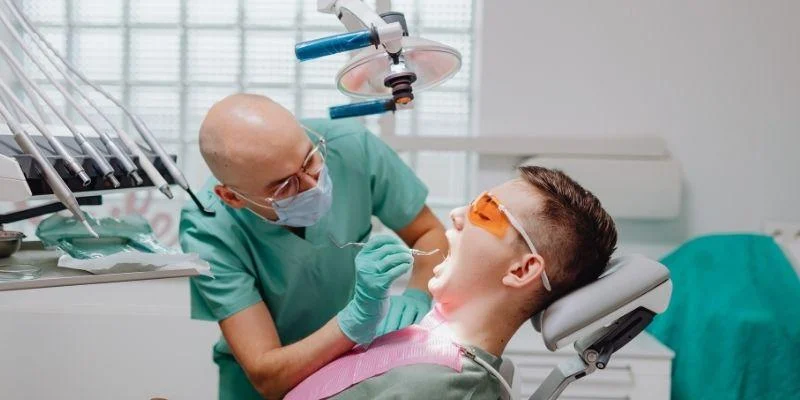
Skipping regular dental check-ups can let small problems grow unnoticed. These visits allow your dentist to spot teeth that might need extraction before they cause serious pain or infection.
During check-ups, your oral health is assessed, including teeth, gums, and overall hygiene. Your dentist might take X-rays to see hidden issues like impacted teeth.
By catching problems early, you can plan treatment at the right time. This usually makes things less complicated and less painful.
Staying on schedule with dental appointments also gives you a chance to ask questions. You can get personalized advice for maintaining your oral hygiene.
Role of Timely Dental Intervention
Once a tooth shows signs of serious decay, infection, or damage, acting quickly is vital. Prompt removal helps avoid spreading infection to other teeth or deeper tissues.
It also reduces the risk of complications like gum disease or bone loss. An oral surgeon or dentist can decide the best time for extraction based on your condition.
Leaving the procedure too long might require more complex treatment or hospital care. If you notice persistent toothache, swelling, or sensitivity, don’t delay.
Early dental care can protect your smile and your overall health.
Frequently Asked Questions
Delaying a tooth extraction can lead to several problems, including pain and infections. Knowing what happens and when to act can help you avoid serious trouble.
What are the risks of postponing a tooth extraction?
If you put off removing a damaged or infected tooth, you risk severe pain and swelling. Infections can spread to your gums and jawbone.
Over time, this can cause bone loss or damage to nearby teeth.
Can delaying a tooth extraction cause complications?
Yes. Waiting too long can lead to infections spreading beyond your mouth.
You might need more complex treatments, like surgery or bone grafts, to fix the damage. Teeth near the problem can shift or become misaligned.
What signs indicate an emergency tooth extraction is needed?
Persistent pain that doesn’t go away or gets worse, swelling, and gum infections are clear signs. If your tooth is severely damaged or infected, you could see pus or feel pressure around the area.
How long after a dentist recommends extraction should it be done?
It’s best to schedule the extraction as soon as possible. Even waiting a few weeks can make the problem worse.
Early treatment usually means a simpler procedure with fewer risks.
What kind of pain can I expect if I delay a tooth extraction?
Pain typically starts as mild but can become sharp and constant. You might also experience swelling or sensitivity to hot and cold.
If infection sets in, the pain may become severe and spread to your jaw.
Are there any serious health risks associated with not extracting a tooth when advised?
Yes, an untreated infection can enter your bloodstream and affect other parts of your body. This can lead to conditions like sinus infections or more serious problems affecting your heart or other organs.