

Recovering from dental implant surgery can feel overwhelming. Knowing the right steps to take will help you heal smoothly and avoid complications.
The best way to recover well is by following specific care tips that protect the surgical site, control pain, and reduce swelling. Taking care of your mouth carefully in the days and weeks after surgery sets the stage for a successful and long-lasting implant.
Your recovery will involve gentle oral hygiene and eating soft foods. Resting enough to let your body heal is also important.
Small actions like using ice packs and avoiding certain activities can make a big difference. By understanding what to expect and how to care for your implant area, you can feel more confident during the healing process.
Key Takeaways
- Follow careful care steps to protect your implant and reduce pain.
- Use gentle oral hygiene and soft foods to support healing.
- Stay connected with your dentist for a safe recovery process.
Essential Post-Surgery Care
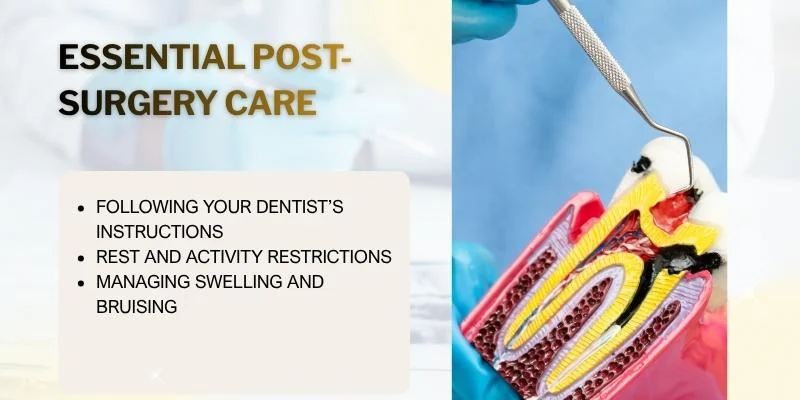
Taking good care of yourself after dental implant surgery is key to healing well. You need to follow advice on how to care for the surgery site, rest properly, and manage any swelling or bruising that may happen.
Following Your Dentist’s Instructions
Your dentist’s instructions are made just for you. They include how to care for your mouth, what medicines to take, and when to come back for checkups.
Always take medications as told. If pain relief is prescribed, use it on time.
Avoid aspirin because it can cause more bleeding. Be careful with your mouth.
Do not touch or poke the implant area with your tongue or fingers. This can slow healing or cause infection.
Keep your follow-up appointments. These visits let the dentist check on your progress and stop problems early.
Rest and Activity Restrictions
Rest well for the first 1-2 days after surgery. Avoid heavy lifting, bending, or strenuous exercise.
These activities can increase blood flow and cause bleeding near the implant. Try to sleep with your head raised on pillows.
This helps reduce swelling by keeping fluids from pooling in your face. Limit talking and laughing to avoid putting pressure on your healing gums.
You can slowly start light activities after the first week if your dentist says it’s okay. Stay away from anything too hard on your body for a few more weeks.
Managing Swelling and Bruising
Swelling usually peaks around 48-72 hours after surgery. Applying ice packs in 20-minute bursts on your cheeks helps reduce swelling and ease pain.
Keep your head elevated as much as possible during this time. This lowers blood flow to the face and cuts down swelling.
Bruising can happen but usually goes away in a few days. Some people ask about using Arnica gel for bruises, but ask your dentist before trying it.
Avoid hot or spicy foods while swelling is present. These can irritate your gums and slow healing.
According to a study published in the International Journal of Oral & Maxillofacial Implants, approximately 90% of dental implant surgeries heal without complications when post-operative instructions are strictly followed .
Oral Hygiene for a Smooth Recovery

Keeping your mouth clean after dental implant surgery is key to avoiding infection and helping your gums heal properly.
According to the American Academy of Implant Dentistry, dental implants have a success rate of about 95-98% when proper post-surgery care is followed. Using the right tools and rinses can make a significant difference in your recovery process.
You need to be gentle but consistent when caring for your teeth and gums.
Using the right tools and rinses can make a big difference during recovery.
Gentle Brushing Techniques
After your dental implant surgery, use a soft-bristled toothbrush to protect the healing area. Brush gently around the implant site without touching it directly.
Light, circular motions work best to remove plaque without irritating the gums. Avoid hard scrubbing or electric toothbrushes near the implant.
Clean the rest of your mouth as usual, but take care to go slow around sensitive areas. Brushing twice a day helps keep bacteria away while preventing damage to new tissue.
Studies show that brushing twice a day helps prevent plaque build-up and keeps bacteria away, which is key in preventing infection and promoting healing. Be gentle and slow around sensitive areas to avoid damaging the newly formed tissue.
Saltwater Rinses and Antimicrobial Mouthwash
Saltwater rinses are a simple and effective way to keep your mouth clean. According to research in the International Journal of Experimental Dental Science, saltwater rinses can reduce bacteria in the mouth by 50%, helping to soothe the healing gums and prevent infection.
Mix half a teaspoon of salt in a cup of warm water and gently rinse your mouth 2-3 times a day.
This helps reduce bacteria and soothes the healing gums. Your dentist might also recommend an antimicrobial mouthwash to prevent infection.
Use it exactly as directed. Avoid rinsing vigorously to protect blood clots that aid healing.
Both saltwater rinses and mouthwash help maintain healthy oral tissue around your implant.
Avoiding Infection Risks
Preventing infection is crucial during recovery. Avoid touching the implant site with your fingers or tongue.
Do not use mouthwashes with alcohol, as they could irritate sensitive tissues. Keep your hands clean before touching your mouth.
Avoid smoking and drinking alcohol as they slow healing and increase infection risk. If you notice redness, swelling, or unusual pain, contact your dentist right away.
Taking these steps helps your implant heal well and stay healthy.
Looking for Dental Implant Recovery Tips? Get Expert Advice at Renaissance Dental Implant Center!
Diet and Nutrition After Dental Implant Surgery
Eating the right foods after dental implant surgery helps your mouth heal faster and prevents problems. You’ll want to focus on soft, nourishing foods while avoiding anything that could irritate your gums or damage the implant site.
Staying hydrated and choosing gentle foods will keep you comfortable during recovery.
Soft Food Choices and Meal Ideas
Choose foods that are soft and easy to chew, so you don’t put pressure on your new implants. Good options include Greek yogurt, smooth soups, mashed potatoes, and scrambled eggs.
Soft fruits like bananas and cooked vegetables mashed or pureed are also gentle. Try to cut food into small bites to reduce chewing effort.
Eating foods rich in protein, like soft fish or cottage cheese, helps tissue repair. You can also enjoy smoothies made without straws, using a spoon instead, to avoid disturbing healing blood clots.
Here is a simple meal plan example:
| Meal | Example |
| Breakfast | Greek yogurt with mashed berries |
| Lunch | Butternut squash soup or hummus with soft pita |
| Dinner | Poached fish with mashed cauliflower |
| Snack | Banana nice cream or cottage cheese |
Staying Hydrated the Right Way
Drinking plenty of fluids is important after your surgery, but not all drinks are safe. Water is your best choice, as it keeps your mouth clean and supports healing.
Non-acidic juices and broths are also good options. Avoid carbonated drinks and anything too hot or cold, as these can cause sensitivity or irritate the surgical site.
Using straws is not recommended because the suction can loosen blood clots, which are vital for healing. Sip liquids slowly and often throughout the day.
Keeping your hydration steady helps with saliva production, which naturally cleans your mouth and reduces bacteria.
Foods and Habits to Avoid
Stay away from hard, crunchy, or sticky foods. These can hurt your gums or get stuck near your implants, increasing infection risk or implant failure.
Examples include chips, nuts, crusty bread, and chewy candy. Spicy and acidic foods can irritate your healing gums.
It’s best to wait at least a week before trying them again. Also, avoid alcohol and tobacco since they slow down healing and may cause complications.
Do not use straws or swish liquids aggressively after surgery. Both habits can dislodge the blood clot that protects your implant site, leading to pain or delayed healing.
Get Your Smile Back at Renaissance Dental Implant in Metairie, LA. Book Today!
The Healing Process and Osseointegration
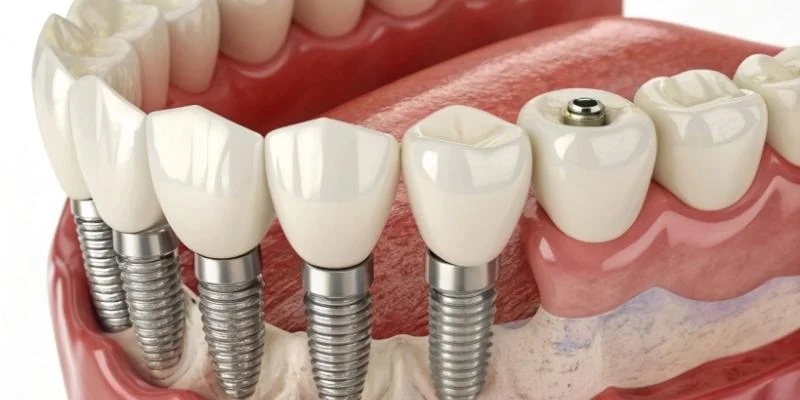
Healing after a dental implant involves your body working hard to accept the implant as part of your jaw. Your bone must grow around the titanium post to create a strong, lasting bond.
This process takes time and affects how soon you can use your new tooth fully.
Understanding Osseointegration
Osseointegration is when your jawbone grows and fuses with the titanium post of the implant. This is what makes dental implants stable and strong.
The bone cells attach directly to the implant, creating a bond that acts like a natural tooth root. This process usually starts about two weeks after surgery and continues for several months.
You might not feel this happening, but it is critical for the implant’s success. If the implant moves before osseointegration is complete, it can fail.
Jawbone and Titanium Post Recovery
Your jawbone needs to heal around the titanium post without interruption. The implant acts as a new root, so your bone must grow tightly around it.
Soft tissues around the area also need to recover gently without irritation. You’ll want to avoid chewing hard foods on the implant side early on.
Keep your mouth clean but avoid disturbing the implant site. Follow your dentist’s advice on care and medication to minimize swelling and discomfort.
Timeline for Long-Term Healing
Healing happens over four main stages and can take 3 to 6 months. The first 72 hours focus on blood clot formation.
Weeks 1 to 2 involve soft tissue healing. After that, osseointegration occurs from weeks 2 through month 3.
By month 3 to 6, the implant should be fully stable in your bone. Your dentist will check this with exams and X-rays before placing the final crown.
Schedule Your Dental Implant Consultation at Renaissance Dental Implant Center, Metairie, LA!
Professional Follow-Up and Ongoing Oral Health
Taking care of your dental implant does not end when the surgery is over. Staying on top of follow-up visits and keeping good oral habits are key to protecting your investment and keeping your smile healthy.
Importance of Follow-Up Appointments
Your dentist will schedule follow-up appointments to check how well your implant is healing and integrating with your jawbone. These visits are important because they help spot early signs of any issues like infection or implant loosening.
During these check-ups, your dentist may take X-rays to see the bone around the implant and ensure it is stable. You can also ask questions and share any discomfort you feel.
Missing these appointments can slow healing or cause problems that are harder to fix later. Keeping your follow-ups shows you care about the long-term success of your implant.
Regular Dental Check-Ups
Even after your implant has fully healed, you still need routine dental check-ups every six months or as recommended by your dentist. These visits help keep your entire mouth healthy; not just the implant.
Professional cleanings remove plaque and tartar that regular brushing may miss, especially around the implant where bacteria can build up. Your dentist or hygienist will also check your gum health and the fit of your implant crown.
If you notice any changes like pain, swelling, or sensitivity between visits, schedule an appointment sooner. Staying consistent with check-ups lowers your risk of infections and implant complications.
Maintaining Results for the Long Run
To keep your dental implant working well for years, develop a solid daily care routine. Brush twice a day using a soft-bristle toothbrush and non-abrasive toothpaste.
Floss carefully around the implant, or use an interdental brush designed for implants. Rinsing with an antimicrobial mouthwash can also reduce harmful bacteria.
Avoid hard or sticky foods that could damage your implant or crown. Also, don’t smoke, as it reduces blood flow and slows healing.
Ready for a New Smile? Book Your Consultation Today!
Frequently Asked Questions
Knowing which foods to eat, how long to rest, and what to expect during healing can help you feel more comfortable after your dental implant surgery. Managing pain and following specific care steps are important for a smooth recovery.
What are the recommended foods to eat during dental implant recovery?
Stick to soft foods like yogurt, mashed potatoes, soups, and smoothies for about the first week. Avoid hot, spicy, or acidic foods that might irritate the implant area.
Drinking plenty of water will keep you hydrated and support healing. Gradually, you can add more solid foods as your comfort improves.
How long should I expect to take off work after getting dental implants?
Most people take 1 to 3 days off work, especially if the job involves physical activity. Resting during the first two days helps reduce swelling and supports healing.
If your job is less stressful or desk-based, you might feel ready to return sooner.
Can you explain the different stages of dental implant healing?
The first stage is healing the soft gum tissue, which takes about 1 to 2 weeks. Then, the implant starts fusing with your jawbone, called osseointegration, and this can take 3 to 6 months.
During this time, you might notice some swelling and sensitivity, but it will improve gradually.
What is the expected recovery time for a full mouth dental implant procedure?
Recovery can take several months due to the number of implants and the bone healing required. While initial discomfort may go away in a week or two, full healing and bone integration usually take 3 to 6 months.
Are there any specific dos and don’ts to follow after dental implant surgery?
Do follow your dentist’s instructions carefully. Rest well, keep your head elevated while sleeping, and use ice packs to reduce swelling.
Don’t smoke or drink alcohol, as they can slow healing. Avoid spitting, rinsing vigorously, or touching the surgical site in the first few days.
How can I manage pain effectively during the recovery from dental implants?
Use the pain relievers your dentist recommends, which might be over-the-counter or prescribed medicine.
Avoid aspirin because it can increase bleeding.
Applying ice packs in 20-minute intervals can also help reduce pain and swelling right after surgery.