


When you invest in a dental implant, you want to know how long it will last. You do not just care about a few good years. You want clear proof that it can stay strong for decades.
Dentists measure implant longevity by tracking survival rates, bone levels around the implant, and signs of disease over many years through regular clinical exams and X‑rays.
Large long‑term studies, such as this 22-year clinical study of 10,871 dental implants, show how researchers follow patients to record failures, bone loss, and complications. Other research has even reported dental implants still functional after 40 years, which helps confirm how durability gets measured over time.
As you look deeper, you will see that dental implant longevity is not just about whether the implant stays in place. Dentists also track gum health, bone stability, and how well the restoration functions year after year.
Understanding these measures helps you set realistic expectations and protect your long‑term results.
Key Takeaways
- Long-term tracking focuses on survival rates, bone levels, and tissue health.
- Decades-long studies help confirm how implants perform in real life.
- Regular exams and maintenance play a major role in lasting success.
Understanding Implant Longevity
When you look at implant longevity, you need to focus on survival rates, bone levels, and long-term stability. You also need to understand how each part of the implant works together and how osseointegration supports lasting function.
What Is Implant Longevity?
Implant longevity describes how long your dental implants remain in place and function without failure. Clinicians measure this in years and track both implant survival and implant success.
Survival means the implant stays in your jaw. Success also considers bone levels, gum health, and comfort.
A large long-term study of more than 10,000 implants followed patients for up to 22 years and reported survival rates of 98.9% at 3 years, 96.8% at 10 years, and 94.0% at 15 years according to this 22-year clinical performance study of 10,871 dental implants.
These numbers show how dental implant longevity is tracked over decades, not just a few years.
Your dentist also checks for bone loss around the implant and signs of peri-implant disease. Smoking and diabetes can raise the risk of failure, which directly affects implant longevity.
Components of Dental Implants
Your dental implant has three main parts:
- Implant fixture – the titanium post placed in your jawbone
- Abutment – the connector that attaches to the implant
- Crown – the visible tooth replacement
The implant fixture supports chewing forces. The abutment links the fixture to your crown and helps shape the gum tissue. The crown restores function and appearance.
The titanium post often lasts for decades if osseointegration remains stable. However, your crown may need replacement after 10 to 15 years due to normal wear.
Each component plays a role in implant stability. If one part fails or loosens, it can affect the entire system.
Osseointegration and Implant Stability
Osseointegration is the direct bond between your jawbone and the implant surface. This process allows the implant to act like a natural tooth root.
Your bone cells grow around the titanium and lock it in place. This bond creates implant stability, which is essential for long-term function.
Dentists measure stability during placement and follow-up visits. Early stability comes from the tight fit in bone. Long-term stability depends on healthy bone and controlled bite forces.
If bone loss progresses or infection develops, stability can decrease. Without strong osseointegration, dental implant longevity drops. That is why regular exams and cleanings matter for protecting your implant over time.
Contact our Metairie, Louisiana office today to schedule your implant consultation.
Measuring Implant Longevity Over Decades
You measure implant longevity by tracking survival, bone stability, and tissue health over many years. Researchers use clear metrics and long follow-up periods to calculate implant survival rates and implant success rates with real data.
Key Metrics: Cumulative Survival Rate and Success Rate
When you read a long-term study, focus first on the cumulative survival rate (CSR). This number shows the percentage of implants still in place after a set number of years.
For example, a large 22-year cohort study of 10,871 dental implants reported cumulative survival rates of 98.9% at 3 years, 96.8% at 10 years, and 94.0% at 15 years. These figures reflect implant survival, not full implant success.
Implant success rates go further. They include:
- Stable bone levels
- No ongoing infection
- Healthy gum tissue
- Proper function under load
An implant can survive but still lose bone or show signs of peri-implant disease. That is why you should separate implant survival rate from implant success rate when judging true implant lifespan.
Long-Term Clinical Study Methodologies
You can measure implant survival through different study designs, but long-term data often comes from a retrospective study. In this design, researchers review patient records over many years.
Large cohort studies track thousands of implants and record failures, bone loss, and soft tissue health. Researchers then apply statistical tools such as:
- Univariate analysis to test one risk factor at a time
- Multivariate analysis to adjust for multiple risk factors together
These methods help you see how smoking, diabetes, implant location, or prosthetic design affect implant survival rates. Some studies also use life table analysis and Kaplan–Meier curves to calculate cumulative survival rate over time.
Long follow-up matters. Research from the University of Gothenburg 40-year implant study shows that implants can remain functional for decades when properly maintained. Extended follow-up gives you a clearer picture of true implant lifespan.
Benchmarking Implant Lifespan
You should compare implant survival rates across time points such as 5, 10, 20, and even 40 years. This approach helps you benchmark performance.
A recent 20-year meta-analysis of dental implant survival reviewed multiple long-term studies to estimate how implants perform over two decades. Meta-analyses combine data from many trials, which strengthens reliability.
When benchmarking implant success, pay attention to:
| Metric | What It Tells You |
| Implant survival rate | Whether the implant remains in place |
| Implant success rate | Whether the implant remains healthy and stable |
| Marginal bone loss | Long-term bone stability |
| Complication rates | Risk of peri-implant disease |
By reviewing these metrics together, you can judge implant lifespan based on evidence instead of assumptions.
Schedule your exam now to learn how implants can provide lasting results.
Factors Influencing Long-Term Implant Success
Several clear factors shape how long your implant lasts. Your health, the strength of your bone, and how well you care for the area all affect bone loss, stability, and function over decades.

Patient Health and Risk Factors
Your overall health plays a direct role in implant survival. Certain risk factors raise the chance of complications and bone loss around the implant.
Smoking reduces blood flow to the gums and bone. This slows healing and increases the risk of infection. Uncontrolled diabetes can also delay healing and raise the risk of peri-implant disease.
A history of gum disease matters. If you lost teeth due to periodontal disease, harmful bacteria may still affect your tissues. Without strict control, inflammation can damage the bone that supports your implant.
Long-term studies show that implants can function for decades, but outcomes depend on managing these risks. Research on three factors for long-term dental implant success highlights patient-related conditions as a key part of 40+ years of function.
You can lower risk by controlling medical conditions, quitting smoking, and keeping regular dental visits.
Bone Quality and Bone Loss
Your implant depends on strong, healthy bone. Bone quality affects how well the implant bonds to your jaw in a process called osseointegration.
Dense bone in the lower jaw often provides strong support. Softer bone, common in the upper jaw, may need careful planning or grafting to improve stability.
Bone preservation starts at the time of tooth loss. The jaw shrinks after a tooth is removed. If you wait years before placing an implant, you may need bone grafting to rebuild lost volume.
Long-term data show high survival rates when planning is precise. Large reviews report about 96–97% survival at 10 years, and about 4 out of 5 implants still function at 20 years.
Your dentist measures bone levels on X-rays over time. Ongoing bone loss around the implant is a warning sign that needs early treatment.
Oral Hygiene and Aftercare
Even a well-placed implant can fail without proper oral hygiene. Plaque builds up around implants just like it does around natural teeth.
If you do not remove plaque daily, inflammation can develop in the gums. This can progress to peri-implantitis, which causes bone loss and may lead to implant failure.
You should:
- Brush twice a day with a soft brush
- Clean between teeth and implants with floss or interdental brushes
- Attend professional cleanings at least twice a year
Early detection makes a difference. Regular exams and maintenance help protect bone levels and long-term stability.
When you ask, how long do dental implants last, the answer often depends on how well you care for them each day.
Complications and Their Impact on Longevity
Dental implants can last for decades, but complications can shorten that timeline. Biological problems like infection and bone loss, along with mechanical issues like screw loosening, all affect long-term stability.
Peri-Implant Diseases: Mucositis and Peri-Implantitis
You face two main inflammatory conditions around implants: peri-implant mucositis and peri-implantitis.
Peri-implant mucositis affects only the soft tissue. You may notice redness, swelling, or bleeding during brushing or probing. The good news is that mucositis is usually reversible if you improve plaque control and receive professional cleaning.
Peri-implantitis is more serious. It includes inflammation plus bone loss around the implant. Over time, this bone loss can weaken support and increase the risk of implant failure.
Research on the risks and complications associated with dental implant failure shows that biological complications remain a key reason implants fail. You reduce your risk by controlling plaque, managing gum disease, and keeping regular maintenance visits.
Early treatment matters. If you ignore bleeding and swelling, the condition can progress and threaten the implant.
Marginal Bone Loss and Probing Depth
Marginal bone loss is one of the main markers dentists track over decades.
After placement, you may lose a small amount of bone in the first year. Stable bone levels after that are a positive sign. Ongoing or increasing bone loss, however, raises concern.
Dentists measure:
- Probing depth around the implant
- Bleeding on probing
- Changes in bone level on X-rays
Deeper probing depth alone does not confirm disease. But when you combine deep pockets with bleeding and bone loss, the risk of peri-implantitis increases.
Long-term follow-up studies, including this 20-year meta-analysis of dental implant survival rates, show survival rates above 90% over ten years. Still, survival does not always mean perfect health. You can have bone loss and still keep the implant, but continued loss may reduce long-term stability.
Regular monitoring helps catch small changes before they turn into major implant complications.
Mechanical Complications and Implant Failure
Not all problems involve infection. Some are mechanical.
Common mechanical implant complications include:
- Screw loosening
- Crown fracture
- Chipping of ceramic
- Component wear
Screw loosening does not always mean implant failure. Your dentist can often retighten or replace the screw. But repeated loosening may signal bite imbalance or design issues.
Studies on long-term implant and crown longevity show that the implant fixture often lasts longer than the crown attached to it. You may need crown repair or replacement even if the implant itself remains stable.
True implant failure occurs when the implant loses integration with bone. In that case, implant removal becomes necessary. Early detection of both biological and mechanical issues gives you the best chance of keeping your implant functional for many years.
Clinical Strategies for Optimizing Decades-Long Outcomes
Long-term implant success depends on precise implant placement, stable bone support, and consistent follow-up care. You improve outcomes when you match timing, surgical technique, and maintenance to the patient’s risk profile.
Implant Placement Timing: Immediate vs Delayed
You can choose immediate implant placement at the time of tooth removal or wait for healing and use delayed placement. Immediate implantation shortens treatment time and may help preserve soft tissue shape, especially in the front teeth.
However, you need enough bone and no active infection. Thin bone walls or uncontrolled gum disease increase risk. In these cases, delayed placement often gives you better control.
Loading time also matters. With delayed loading, you allow several months for bone to attach firmly to the implant before placing the crown. This cautious approach has shown strong long-term survival in early single-tooth cases followed for nearly 40 years.
When you plan timing, assess:
- Bone volume and density
- Infection or inflammation
- Bite forces and parafunction
- Patient age and health
Clear planning reduces mechanical stress and supports long-term stability.
Bone Grafting and Augmentation Approaches
You need adequate bone height and width for stable implant placement. When bone is thin or missing, bone grafting and augmentation rebuild support before or during implant surgery.
Common approaches include:
- Guided bone regeneration with membranes
- Sinus floor elevation in the upper back jaw
- Block grafts for severe horizontal loss
You should select the method based on defect size and location. Large vertical defects often require staged treatment. Smaller defects may allow simultaneous implant placement and augmentation.
Long-term research on thousands of implants shows that careful surgical planning supports strong survival rates over decades, as seen in this long-term clinical performance study of 10,871 dental implants.
Stable graft integration helps maintain marginal bone levels. That stability lowers the risk of implant failure and supports healthy gum tissue over time.
Professional Maintenance and Patient Education
You protect decades-long outcomes with structured maintenance. Even well-placed implants can fail without follow-up.
Schedule professional cleanings and exams at least once or twice a year. At these visits, you should check:
- Probing depths
- Bleeding on probing
- Plaque levels
- Radiographic bone levels
Long-term studies emphasize the need for continued monitoring, especially in younger patients who may keep implants for life.
You also need to teach patients daily care. Show them how to use floss, interdental brushes, or water flossers around implants. Clear instructions reduce plaque buildup and lower the risk of peri-implant disease.
When you combine precise surgery with consistent maintenance, you create the conditions that support implant longevity across decades.
Comparing Implant Longevity to Other Tooth Replacement Options
You want to know how long do dental implants last compared to other tooth replacement options. The answer depends on the type of restoration, where it sits in your mouth, and how well you care for it.
Dental Implants vs Bridges and Dentures
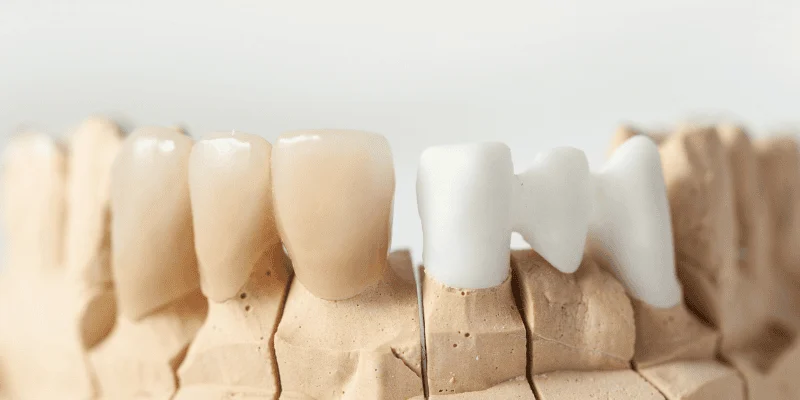
Dental implants often last longer than bridges or dentures. Large long-term data show strong results. In one study that followed patients for up to 15 years, implants had a 94% survival rate at 15 years in routine practice settings, based on long term clinical performance data on 10,871 dental implants.
The implant post in your jaw can last decades. The visible crown on top may need replacement after 10 to 15 years due to normal wear.
By contrast:
- Dental bridges often last 7 to 15 years. They rely on nearby teeth, which can decay or weaken.
- Dentures may need replacement or relining every 5 to 10 years as your bone shrinks.
Implants do not depend on adjacent teeth. They also help limit bone loss, which supports long-term stability.
Implant Longevity in Various Tooth Sites
Implant lifespan can vary by location in your mouth. Molars handle more biting force than front teeth. If you grind your teeth, also called bruxism, you place even more stress on back implants.
Studies show that implants perform well in both upper and lower jaws, but risk factors matter. Smoking and diabetes increase failure risk over time in long-term follow-up research.
Bone quality also differs by site. The upper back jaw often has softer bone, which can affect early stability. Your dentist may suggest bone grafting in these areas to improve long-term support.
Front tooth implants often face lighter forces but require precise placement for appearance. With good hygiene and regular checkups, implants in most sites can function for decades.
Cost Effectiveness Over Time
Implants usually cost more at the start than bridges or dentures. That higher fee reflects surgery, materials, and lab work.
However, implants may reduce future replacement costs. Because the post can remain stable for decades, you may only replace the crown over time. Iimplants often last over 25 years, while bridges tend to have shorter lifespans.
When you compare options, think about:
- Replacement frequency
- Maintenance needs
- Risk of damage to nearby teeth
- Long-term bone health
If you choose a solution that lasts longer and protects your bone, you may lower total costs over many years, even if you pay more upfront.
Frequently Asked Questions
Long-term implant success depends on careful placement, steady bone levels, and healthy gum tissue. Researchers track survival rates, bone loss, and complications over 10, 20, and even 30 years to judge real performance.
What are the factors that determine dental implant success over 20 years?
You need healthy bone and gums at the start. Strong bone supports the implant and lowers the risk of movement or failure.
Your daily habits matter. Smoking and uncontrolled diabetes raise the risk of implant failure, as shown in a large 22-year cohort study of 10,871 dental implants.
Regular cleanings and good home care also protect against peri‑implantitis, which can cause bone loss over time. The dentist’s skill, proper implant size, and correct placement angle also play a major role.
How is the longevity of dental implants assessed after 30 years?
Researchers look at survival rate and bone levels around the implant. They measure how many implants remain in place and how much bone has changed over time.
They also check for problems like infection, gum bleeding, and the need for implant removal. Long-term tracking helps show whether implants stay stable or fail years later.
What data supports the survival rate of dental implants over long-term periods, like 10 or 20 years?
Clinical research gives clear numbers. In one long-term study, implant survival was about 96.8% at 10 years and 94.0% at 15 years.
These numbers show high survival, but not perfection. A small percent of implants fail due to infection, bone loss, or health risks.
What criteria define a successful dental implant over extended periods?
A successful implant stays in place without pain or movement. It supports a crown, bridge, or denture so you can chew and speak normally.
Dentists also look for stable bone levels on X-rays. Minimal bone loss and healthy gum tissue around the implant signal long-term success.
No ongoing infection, swelling, or repeated repair needs also define success over many years.
Can dental implants effectively last a lifetime, such as 40 years or more?
Many implants can last for decades. Some patients keep the same implant for life when they maintain good oral hygiene and attend regular checkups.
Experts note that implants can last 10 to 30 years or longer, and sometimes a lifetime, when you avoid smoking and control health risks.
The crown on top may need replacement after 10 to 20 years due to wear. The implant post in the bone often lasts much longer.
What advancements have been made to increase the lifespan of dental implants?
Modern implants use improved titanium surfaces that bond better with bone. This process, called osseointegration, helps the implant stay stable.
Dentists now use 3D imaging to plan precise placement. Better planning reduces stress on the implant and surrounding bone.
Improved designs and stronger materials also reduce breakage. These updates support longer service life and lower failure rates over time.