


More people are getting rid of their dentures and choosing dental implants instead. Patient interest in dental implants has risen over 30% since 2021, with seniors leading this change. The problems with dentures are clear: they slip when you eat, feel uncomfortable, and need constant care every day.
Dental implants offer a permanent solution that looks, feels, and works like your natural teeth, without the daily hassle of removing and cleaning dentures. They attach directly to your jawbone, so you never have to worry about them moving around when you talk or laugh.
You can eat the foods you love without thinking twice.
The switch from dentures to implants is happening across the country because people want something that will last. If you’re tired of dealing with denture adhesives, soaking cups, and trips to the dentist for adjustments, you’re not alone.
Understanding why so many are making this change can help you decide what’s right for your smile.
Key Takeaways
- Dental implants stay fixed in your jaw and feel like real teeth, while dentures can slip and need daily removal
- Implants help keep your jawbone healthy and prevent the sunken face look that happens with dentures
- Though implants cost more upfront, they can last decades with basic care and don’t need frequent replacements like dentures
The Shift From Dentures to Dental Implants
More people across the United States are choosing dental implants over traditional dentures as their preferred way to replace missing teeth. This change reflects new technology in dentistry and what patients want from their tooth replacement options.
Growing Popularity Across the Country
Dental implants are becoming more popular as adults and seniors look for better ways to handle missing teeth. The trend shows up in dental offices from coast to coast.
In 2025, more patients ask about implants during their first visits. They want solutions that will last for years instead of temporary fixes. Dentists report that younger patients especially prefer implants because they fit an active lifestyle.
The shift happens for all age groups. Even people who wore dentures for years now switch to implants. They learn about the advantages of dental implants from friends, family, and online research.
Changing Patient Expectations
Your expectations for tooth replacement have changed. You no longer settle for options that slip, require messy adhesives, or limit what you can eat.
Modern patients want teeth that look natural and feel secure. You expect to bite into an apple or enjoy steak without worry. Traditional dentures often fail to meet these basic needs.
The benefits of implants include the freedom to eat your favorite foods and speak clearly. You also want a solution that doesn’t need removal for cleaning every night. Dental implants work like natural teeth for daily care with regular brushing and flossing.
Confidence matters too. You don’t want to think about your teeth slipping when you smile or talk in public.
Key Reasons for the Trend
Several clear factors drive this nationwide shift to implants:
Permanent Solution: Implants integrate with your jawbone and stay in place permanently. Dentures need replacement every few years.
Better Oral Health: Dental implants help preserve your jawbone. Dentures can lead to bone loss over time, which changes your face shape.
No Food Restrictions: You can eat crunchy vegetables, nuts, and other foods that denture wearers must avoid. Nothing gets stuck underneath implants.
Easier Maintenance: You brush and floss implants just like regular teeth. No special cleaning solutions or overnight soaking needed.
Comfort: Implants don’t irritate your gums the way dentures can when your bone density changes.
Compare modern implants vs dentures with a consultation in Metairie, LA.
Dental Implants vs. Dentures: Key Differences
Dental implants are metal posts placed into your jawbone that hold replacement teeth, while traditional dentures rest on your gums and can be removed. Each option uses different methods to restore your smile and bring back your ability to chew and speak.
How Dental Implants Work
Dental implants are titanium posts that your dentist surgically places into your jawbone. The post acts like an artificial tooth root. After the surgery, your bone grows around the implant over several months in a process called osseointegration.
Once healing is complete, your dentist attaches a small connector piece called an abutment to the top of the implant. The abutment holds your replacement tooth or crown in place.
Key features of dental implants:
- Permanent fixture – The implant stays in your jaw and cannot be removed at home
- Independent support – Each implant holds its own tooth without relying on other teeth
- Bone stimulation – The implant transfers chewing forces into your jawbone like a natural root
You care for dental implants just like your real teeth through daily brushing and flossing.
How Traditional Dentures Work
Traditional dentures are removable appliances that replace missing teeth and gum tissue. Full dentures replace all teeth in your upper or lower arch, while removable dentures sit on top of your gums and rely on suction or adhesive to stay in place.
Your dentist creates dentures by taking impressions of your mouth. The denture base is made from acrylic resin that matches your gum color, and artificial teeth attach to this base.
How traditional dentures stay in place:
- Upper dentures use suction against your palate
- Lower dentures rest on your gum ridge with less natural suction
- Denture adhesive can add extra grip for both arches
You remove your dentures every night for cleaning and to let your gums rest. Traditional dentures do not prevent bone loss in your jaw because they rest on soft tissue instead of stimulating bone.
Partial Dentures and Implant-Supported Dentures
Partial dentures fill gaps when you still have some natural teeth remaining. They use metal clasps or precision attachments that hook onto your existing teeth for stability. Partial dentures prevent your remaining teeth from shifting into empty spaces.
An implant-supported denture combines both technologies. Your dentist places several implants in your jaw, and a full denture snaps onto these posts. This type gives you much more stability than traditional dentures while still being removable for cleaning.
Comparison of denture types:
| Feature | Traditional Dentures | Implant-Supported Dentures |
| Attachment | Suction and adhesive | Snap onto implants |
| Stability | Can shift while eating | Stay firmly in place |
| Bone preservation | No stimulation | Implants stimulate bone |
| Removability | Yes | Yes |
Implant-supported dentures require surgery to place the posts but offer better chewing power and comfort than traditional options.
See why dental implants are replacing dentures for long-term tooth replacement success.
Benefits of Dental Implants Over Dentures
Dental implants offer significant advantages in comfort, appearance, and long-term oral health that traditional dentures cannot match. These benefits stem from how implants integrate with your jawbone and function like natural teeth.
Long-Term Comfort and Stability
Dental implants provide unmatched stability because they’re surgically placed into your jawbone. Through a process called osseointegration, the titanium implant fuses with your bone tissue over several months. This creates a permanent foundation that won’t slip or shift when you eat or speak.
You won’t need to remove implants for cleaning or worry about them falling out at awkward moments. They become part of your mouth just like natural teeth. Unlike dentures that may cause sore spots or require messy adhesives, implants feel completely natural once healed.
The stability from proper implant placement means you can eat whatever you want without restrictions. You’ll regain nearly 100% of your original chewing power, while dentures typically restore only 20-30% of your biting force.
Natural Look and Feel
Your dental implants will blend seamlessly with your existing teeth. The custom crown placed on top of each implant matches the color, shape, and size of your natural teeth. Nobody will be able to tell the difference between your implants and real teeth.
You can smile, laugh, and talk with complete confidence. There’s no risk of slippage or clicking sounds that sometimes happen with dentures. The benefits of dental implants include speaking clearly without any lisp or mumbling that ill-fitting dentures can cause.
Implants also help maintain your facial structure. They prevent the sunken, aged appearance that often develops when people wear dentures for many years.
Improved Oral Health
One of the most important benefits involves protecting your jawbone health. When you lose teeth, your jawbone starts to deteriorate because it no longer receives stimulation from tooth roots. Implants act like natural roots, preserving your bone density and preventing this breakdown.
Traditional dentures sit on top of your gums and don’t stimulate the bone at all. This leads to continued bone loss over time. Maintaining proper bone density keeps your jaw strong and helps other teeth stay secure.
Your oral health improves because implants don’t require grinding down adjacent teeth like bridges do. You can brush and floss around implants just like regular teeth, making daily care simple and effective.
Preserving Jawbone and Preventing Bone Loss
When you lose a tooth, the jawbone underneath starts to shrink without the normal pressure from chewing. Dental implants stop this breakdown by acting like natural tooth roots, while dentures can’t provide this same protection.

How Implants Prevent Bone Loss
Your jawbone needs regular use to stay healthy and strong. When you chew food, your teeth send pressure signals through the roots into the bone. This pressure tells your body to keep the bone dense and active.
When you lose a tooth, that stimulation disappears. Your body thinks the bone isn’t needed anymore and starts breaking it down through a process called bone resorption. This can happen quickly, with most bone loss occurring in the first year after tooth loss.
Dental implants support jawbone health because they go directly into your jaw, just like a natural tooth root. They’re made from titanium, which bonds with your bone through osseointegration. Once the implant fuses with your jaw, it creates the same pressure when you chew that a real tooth would.
This pressure keeps your bone active and prevents it from shrinking away. If you’ve already experienced some bone loss, you might need a bone graft before getting an implant. Bone grafting adds material to strengthen the area so it can support the implant properly.
Consequences of Bone Loss With Dentures
Dentures sit on top of your gums and don’t reach down into the jawbone. Without that deeper connection, they can’t prevent jawbone loss the way implants do.
As your jawbone continues to shrink under dentures, several problems develop:
- Your face can look sunken or aged in areas where bone has disappeared
- Dentures start fitting poorly and may slip or click when you talk or eat
- You may have trouble chewing tougher foods as your jaw gets weaker
- The ridge where your dentures sit becomes flatter, making them even harder to keep in place
Many denture wearers need their dentures relined or replaced every few years as bone loss changes the shape of their jaw. This creates an ongoing cycle of adjustments and expenses that doesn’t address the underlying bone loss problem.
The Dental Implant Process Explained
Getting dental implants involves several stages that take place over a few months. The process includes an initial evaluation, surgical placement of the implant, a healing period where the implant bonds with your jawbone, and finally the attachment of your new tooth.
Initial Consultation and Assessment
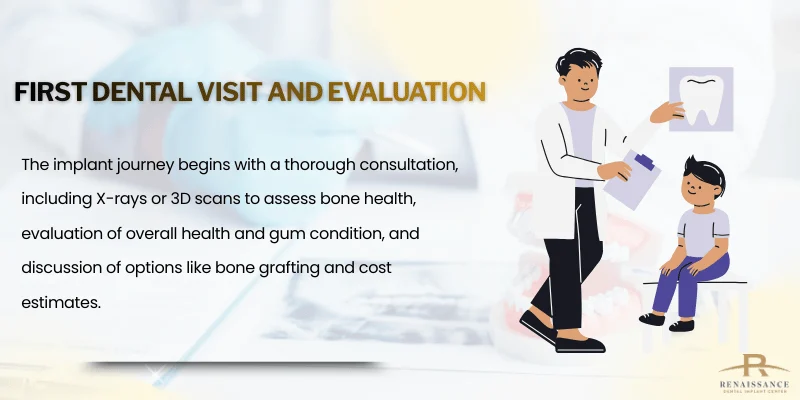
Your journey starts with a thorough evaluation by your dentist or an oral and maxillofacial surgeon. During this visit, they’ll take X-rays or 3D scans of your jaw to check if you have enough healthy bone to support an implant.
Your dentist will look at several factors to determine if you’re a good candidate. They’ll check your overall health, medications you take, and whether you have conditions like uncontrolled diabetes that might affect healing. They’ll also examine your gums to make sure you don’t have gum disease.
If your jawbone isn’t thick or dense enough, you might need a bone graft before getting an implant. This procedure adds bone material to your jaw to create a solid foundation. Your dentist will explain all your options and give you an estimate of the total cost during this consultation.
Implant Placement Procedure
The implant placement happens during an outpatient surgery. Your maxillofacial surgeon or dentist will numb the area with local anesthesia or provide sedation to keep you comfortable.
They’ll make a small cut in your gum to expose the jawbone. Then they’ll drill a hole and insert the implant body, which looks like a small screw made of titanium. This metal post replaces your missing tooth root.
After placing the implant, your dentist covers it with a temporary crown to protect it during healing. Some people can get a temporary tooth attached the same day, but this depends on your specific situation. The whole procedure usually takes one to two hours per implant.
Healing and Osseointegration
After surgery, your jawbone needs time to grow around the implant in a process called osseointegration. This creates a strong, permanent bond that acts like a natural tooth root. The healing period typically lasts two to six months.
During this time, you might experience some swelling, bruising, or mild discomfort. These symptoms are normal and usually go away within a few days. You should avoid hard or sticky foods and maintain good oral hygiene by brushing and flossing carefully around the implant site.
It’s important to follow your dentist’s instructions during recovery. Don’t smoke or use tobacco products, as these can slow healing and increase the risk of implant failure.
Placing the Final Restoration
Once osseointegration is complete, you’ll return for the final steps of the dental implant procedure. Your dentist will attach a small connector piece called an abutment to the top of your implant. This piece connects the implant to your replacement tooth.
After placing the abutment, your dentist takes impressions of your mouth using dental putty or a digital scanner. A dental lab uses these impressions to create your custom crown, which is designed to match your natural teeth in color, shape, and size.
When your permanent crown is ready, your dentist securely attaches it to the abutment. The crown looks and functions just like a natural tooth, allowing you to eat, speak, and smile with confidence.
Cost, Care, and Longevity Comparison
The financial investment and maintenance requirements differ significantly between these two options. Understanding the true cost over time, daily care needs, and how long each solution lasts helps you make a smart choice for your smile.
Cost of Dental Implants vs. Dentures
Traditional dentures cost less upfront, typically ranging from $1,000 to $3,000 per arch. Dental implants require a larger initial investment, usually between $3,000 and $30,000 for a full arch depending on how many implants you need.
The cost difference between implants and dentures looks less dramatic when you consider long-term expenses. Dentures need adjustments, relining, and replacements every 5-7 years. These ongoing costs add up over decades.
Implants represent a one-time investment that saves you money over the years. You won’t face the recurring expenses that come with denture maintenance and replacements. While dental implants exhibit a higher initial cost, they reduce cumulative expenses over time.
Maintaining Your Dental Implants
Caring for dental implants mirrors your natural tooth care routine. You brush twice daily, floss regularly, and visit your dentist for checkups every six months.
Dentures require more specialized care. You must remove them nightly for cleaning, soak them in special solutions, and handle them carefully to avoid damage. You also need adhesives to keep them in place throughout the day.
Implants don’t need removal or soaking. They stay permanently in your mouth, which means no embarrassing moments taking out your teeth. Your implants won’t need adhesives or special cleaning products beyond regular toothpaste and floss.
Lifespan and Replacement Considerations
Studies show implant posts have a 90-95% success rate after 10 years. Many implants last 20-30 years or longer with proper care. The crown attached to your implant may need replacement after 10-15 years, but the implant itself often lasts a lifetime.
Dentures typically last 5-8 years before requiring replacement. They wear down from daily use and stop fitting properly as your jawbone changes shape. This means you’ll likely need multiple sets of dentures throughout your lifetime.
The durability gap between these options is substantial. Your implants maintain their function and appearance far longer than dentures ever could.
Frequently Asked Questions
Dental implants provide multiple advantages like better stability and bone preservation, while cost differences and insurance coverage play major roles in deciding between the two options.
What benefits do dental implants offer over traditional dentures?
Dental implants offer numerous benefits that make them stand out from traditional dentures. They provide enhanced appearance and confidence while improving your ability to eat and speak naturally.
Unlike dentures, implants can last a lifetime with proper care. They don’t slip or move around in your mouth like dentures sometimes do.
Implants also protect your jawbone from deteriorating over time. Traditional dentures sit on top of your gums and don’t stimulate the bone like natural teeth do.
You won’t need to worry about dental adhesives or removing your teeth at night. Implants function just like your natural teeth.
How has the technology for dental implants evolved in recent years?
Dental implant technology has become safer and more reliable over the years. The materials used in implants have improved significantly, making them more compatible with your body.
Modern imaging techniques allow dentists to plan implant placement more accurately. This reduces complications and improves success rates.
The healing process has also gotten faster thanks to better surgical techniques. Many patients experience less discomfort than they expected during recovery.
Are there any new advancements in denture technology for 2025?
Denture technology continues to improve alongside implant innovations. Modern dentures fit better and look more natural than older versions.
Implants can be used to support both partial and full dentures, which gives you more stability without going fully permanent. This option reduces your need for denture adhesives.
The materials used in dentures have also become more durable and comfortable. Some newer dentures are lighter and feel less bulky in your mouth.
What factors should someone consider when choosing between dental implants and dentures?
Your overall health plays a big role in determining which option works best for you. Ideal candidates for dental implants generally have good oral health and adequate bone to support the implant.
You need to think about your lifestyle and daily activities. If you want a permanent solution that feels like natural teeth, implants might be your best choice.
The condition of your jawbone matters significantly. If you’ve worn dentures for a long time, you may have experienced bone loss that affects implant placement.
Your budget and timeline are also important considerations. Implants require more time for the complete process but offer long-term benefits.
Can you explain the cost differences between dental implants and conventional dentures?
A single dental implant can cost between $3,000 and $6,000, while a complete set of dentures typically ranges from $1,000 to $3,000. The upfront cost of implants is definitely higher than dentures.
However, implants often last a lifetime with proper care. Dentures usually need replacement every 5 to 10 years, which adds to the long-term cost.
The total cost of implants depends on how many you need and any additional procedures required. Some patients need bone grafting before getting implants, which increases the overall expense.
How has Medicare’s coverage for dental implants affected their popularity?
Medicare coverage varies significantly when it comes to dental procedures. Many insurance plans don’t cover the full cost of dental implants, though some may cover part of the procedure or associated costs.
You should check with your insurance provider to understand your specific benefits. Some plans have started offering better coverage as implants become more common.
The limited insurance coverage hasn’t stopped millions of people from choosing implants. Over three million people in the U.S. have chosen dental implants, and that number keeps rising each year.