
Taking care of your dental implants is key to keeping them healthy and lasting a long time. Cleaning dental implants is different from cleaning natural teeth, so using the right tools and techniques is important to avoid problems.
Regular care helps prevent issues like infections and keeps your smile looking great. You’ll learn simple steps you can do at home to keep your implants clean every day.
Whether you have a single implant or a full set like All-on-4, the right brushing, rinsing, and using a water flosser can make a big difference. This guide will also help you pick the best tools and understand when to see your dentist.
Key Takeaways
- Keeping your implants clean prevents infections and damage.
- Using the right tools makes daily cleaning easier and more effective.
- Regular check-ups support long-term health and implant success.
Why Cleaning Dental Implants Is Essential
Taking care of your dental implants is important for keeping them safe and working well. If you don’t clean them properly, you could face problems that affect your mouth and overall health.
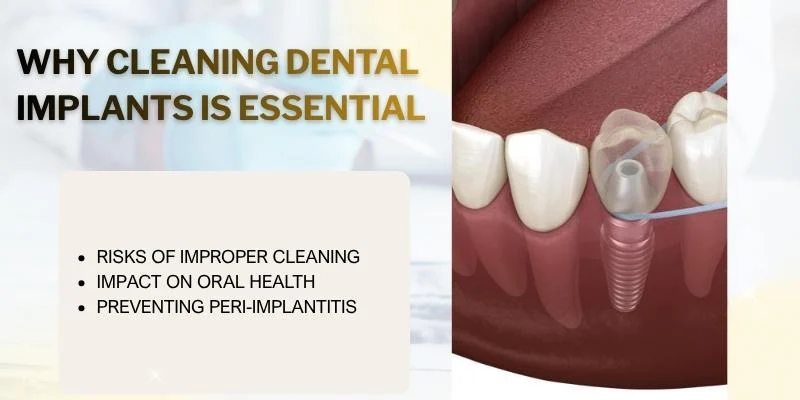
Risks of Improper Cleaning
If you don’t clean your dental implants well, plaque and bacteria can build up around them. This can cause inflammation in your gums, leading to redness, swelling, and pain.
Over time, poor cleaning can result in peri-implantitis, an infection around the implant. This condition damages the bone and tissue supporting the implant.
Because dental implants are not natural teeth, they don’t decay like normal teeth. But the surrounding gums and bone can still get infected if you skip good cleaning habits.
Ignoring implant cleaning can eventually lead to implant failure, meaning your dental implant could loosen or fall out.
Impact on Oral Health
Your dental implants rely on healthy gums and bone to stay strong. When these tissues become inflamed or infected, your mouth’s health suffers.
Good cleaning stops bacteria from spreading. This protects your gums from irritation and prevents bone loss around the implant.
Also, clean implants feel better in your mouth, and you avoid bad breath and discomfort. Regular brushing, flossing, and using a water flosser are key daily habits to maintain your oral health with dental implants.
Preventing Peri-Implantitis
Peri-implantitis is one of the main risks when dental implants aren’t cleaned properly. This infection can cause serious damage to the bone and gum tissue around your implant.
To prevent it, you need to remove plaque and food particles every day. Using tools like a soft toothbrush and a Waterpik helps reach hard-to-clean spots under your implant bridge or around screws.
Daily Cleaning Techniques for Dental Implants
Keeping your dental implants clean every day is important to prevent plaque buildup and keep your gums healthy.
Dental implants already have a 95–98% long-term success rate, and daily cleaning plays a major role in maintaining that success.
You’ll need to use the right tools and methods to reach all areas around your implants without causing damage.
Brushing With a Soft-Bristled Toothbrush

Use a soft-bristled toothbrush to clean your implants gently. Hard bristles can scratch the implant surface and irritate your gums.
Look for a toothbrush with small, rounded bristles that can reach tight spaces. Brush at least twice a day.
Hold your brush at a 45-degree angle to your gums and use short, circular motions. Spend extra time around the implant area to remove food and plaque that can lead to gum irritation or infection.
Research shows that up to 43% of implant complications come from poor oral hygiene, especially plaque that sits around the implant collar.
Electric toothbrushes with a soft head can also work well. They make cleaning easier if you have trouble reaching all sides of the implant.
Choosing a Non-Abrasive Toothpaste
Avoid toothpaste that is too abrasive. Harsh ingredients can wear down the surface of your implants and cause scratches where bacteria can hide.
Look for toothpaste labeled as “non-abrasive” or especially made for implants. These are gentle enough to protect your implants but strong enough to clean.
Avoid whitening toothpastes or those with baking soda or charcoal because they can be too rough on the implants. Make sure the toothpaste you use helps remove plaque without irritating your gums.
Utilizing Interdental Brushes and Implant-Specific Floss
Regular floss may not work well around implants. Instead, use interdental brushes with soft tips that fit between your teeth and implants without damaging them.
Choose a size that fits your spaces comfortably. These brushes help remove plaque in hard-to-reach places implants often have.
You can also use implant-specific floss designed to slide gently under the implant crown. This floss is usually thicker and may have a stiff end to help guide it.
Using a water flosser is another good option. It uses gentle water pressure to clean under the gums and around implants effectively.
Rinsing With Antimicrobial Mouthwash
Rinsing with an antimicrobial mouthwash helps reduce bacteria in your mouth and protect the tissues around your implants. Choose a mouthwash without alcohol, as alcohol can dry out and irritate your gums.
Look for one that targets plaque and helps reduce inflammation. Rinse for 30 seconds after brushing and flossing.
This extra step helps clean places your brush and floss might miss. Using mouthwash daily supports your cleaning routine and keeps your mouth fresh while protecting your implants.
For detailed care tips, see how to clean dental implants for long-term success.
Want healthier implants? Learn how to clean dental implants the right way today!
Cleaning for Different Types of Dental Implants
Different types of dental implants need different care routines. You’ll need specific tools and habits depending on whether you have one implant, a bridge, or overdentures.
Paying attention to details like brushing technique and cleaning aids helps keep your implants healthy and lasting longer.
Single Tooth Implants
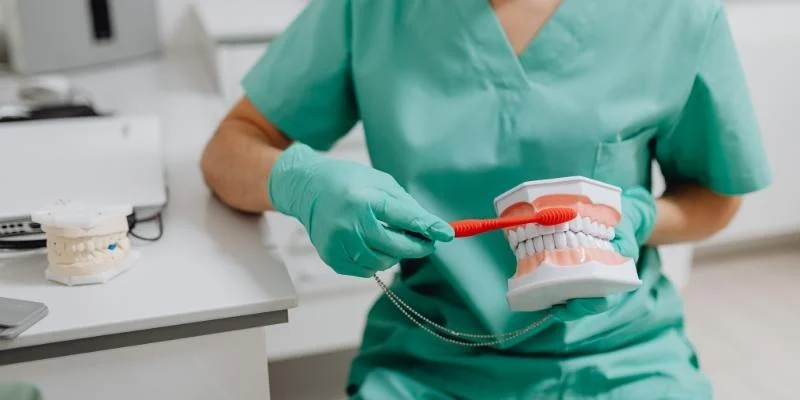
Cleaning single tooth implants is very similar to cleaning natural teeth. You should brush twice a day using a soft-bristle toothbrush and non-abrasive toothpaste.
Make sure to clean all sides of the implant crown, especially along the gum line. Daily flossing is important.
Use floss made for implants or a special floss that won’t shred. This removes food and plaque between the implant and your natural teeth.
Rinsing with an alcohol-free, antiseptic mouthwash can reduce bacteria and protect your gums. Don’t forget to visit your dentist every six months for a check-up to make sure your implant stays in good shape.
Implant Bridges
Implant bridges replace several teeth and need extra attention to keep the areas between the implants clean. Brush gently but thoroughly twice daily.
Use a soft toothbrush or an interdental brush to reach beneath the bridge where plaque can build up. Flossing under implant bridges is easier with a floss threader or a water flosser.
These tools help clean difficult spots that regular floss can’t reach. Removing debris under the bridge reduces risk of gum inflammation.
Rinse with an antiseptic mouthwash to help keep your gums healthy. Regular dental visits are essential to check for any damage or buildup around your bridges.
Overdentures
Overdentures are removable dentures held in place by implants. You’ll need to remove your denture daily to clean it properly.
Start by rinsing the denture under lukewarm water. Use a denture brush and denture cleanser to gently scrub away food and plaque.
Avoid regular toothpaste, which can be abrasive. Don’t forget to gently brush your gums, tongue, and the implant areas in your mouth with a soft toothbrush.
Soak your denture overnight in a denture cleaning solution to prevent stains and bacteria growth. Rinse your mouth with an alcohol-free mouthwash, and visit your dentist every six months to inspect your implants and denture fit.
Best Tools and Products for Implant Care
Using the right tools helps keep your dental implants clean and healthy. Choosing effective brushes, flossers, and cleaning products can prevent plaque build-up and protect your gums.
Selecting the Right Toothbrush
For your implants, a soft-bristled toothbrush is best. Hard bristles can hurt your gums and damage the implant surface.
Look for a brush with a small head to reach all areas easily. You might also want to use a denture brush if you have implant-supported dentures.
These brushes help clean the larger surface of the dentures without scratching them. Always use a non-abrasive toothpaste designed for sensitive teeth or implants.
Abrasive pastes can wear down the implant’s finish over time. Replace your toothbrush every 3 months, or sooner if the bristles look worn, to keep cleaning effective and gentle.
Benefits of Water Flossers
Water flossers are great for cleaning around implants where regular floss can be hard to use. They spray a gentle stream of water that removes food particles and bacteria under the gumline.
Using a water flosser twice a day helps reduce inflammation and keeps plaque from building up around your implant and gums. Choose one with adjustable pressure settings and specific tips made for implants.
These angled or hook-shaped tips reach tricky areas around your dental work better than standard tips. A recommended option is the Waterpik Ion, which many dentists suggest for long-term implant care.
Use of Denture Cleaners
If you have implant-supported dentures, denture cleansers are essential. These cleaning tablets or solutions help remove stains and bacteria safely without harming the denture materials.
Use a denture cleanser daily by soaking your implants or dentures according to the instructions. This prevents odors and keeps your mouth feeling fresh.
Avoid harsh chemicals like bleach unless your dentist advises a diluted rinse. Using a specialist product made for implants protects your dental work from damage.
Combining denture cleaners with your daily brushing and water flossing routine keeps your implants clean and lasts longer.
Professional Maintenance and Ongoing Implant Care
Keeping your dental implants healthy means more than just cleaning them at home. You need to visit your dentist regularly for check-ups and cleanings.
Watching for early signs of problems helps prevent serious issues like implant failure. Proper professional care supports your oral health and keeps your implants strong.
Regular Dental Check-Ups
You should schedule dental check-ups at least every 3 to 6 months after getting implants. Your dentist will examine your implants, gums, and surrounding bone to make sure everything is healthy.
These visits allow your dental team to catch any problems early before they get worse. During the first year, visits may be more frequent (every 3 months) to monitor healing and implant stability.
After that, check-ups can often be spaced out to every 4 to 6 months depending on how healthy your implants and gums are. Always follow your dentist’s specific recommendations.
Professional Cleaning Procedures
Regular professional cleanings are essential because implants need special care. Standard tools used for natural teeth can damage implants.
Your dental hygienist will use instruments designed to clean implants safely without scratching the surface. These cleanings remove bacterial buildup, called biofilm, that you cannot fully remove at home.
This helps prevent gum inflammation and infections, which can lead to implant failure. Professional cleanings often include checking your bite and polishing your implants to keep them smooth.
Monitoring for Signs of Implant Problems
You need to be aware of signs that may indicate implant problems. Some key signs include redness, swelling, bleeding around implants, pain, or loosening of the implant.
If you notice any of these, contact your dentist right away. Your dentist will also look for problems during check-ups.
They might use X-rays to check bone levels around the implant. Catching issues early can save your implants and prevent costly treatments later.
Paying attention to these signs helps you protect your investment and keep your smile healthy.
Frequently Asked Questions
Cleaning dental implants well means using gentle brushing, rinsing, and the right tools to remove plaque and keep your gums healthy. You’ll also want to know about special devices and what to avoid when caring for your implants.
What’s the proper way to clean dental implants at home?
Use a soft-bristled toothbrush to brush your implants at least twice a day. Be gentle around your gums to avoid irritation.
Floss daily or use a floss threader to clean between implants and natural teeth. Rinse with warm salt water after brushing to soothe your gums.
Avoid harsh scrubbing, especially soon after surgery.
Can a Waterpik be effective for cleaning around dental implants?
Yes, a Waterpik is great for removing food and plaque around implants. Start with a low setting to avoid hurting your gums.
Use special angled or hook-shaped tips to reach under and around your implants. Try using it twice a day, just like brushing.
How much does professional dental implant cleaning typically cost?
Professional cleaning costs can vary, but expect to pay between $75 and $200 per visit. Your dentist or hygienist cleans the areas you can’t reach, which helps prevent gum disease and implant problems.
What tools do hygienists recommend for cleaning dental implants?
Hygienists suggest using soft-bristled toothbrushes and Waterpiks with special tips. They also use ultrasonic scalers and plastic instruments during professional cleanings to avoid scratching your implants.
Floss threaders and interdental brushes can help clean tight spaces between implants.
What are the recommended methods for deep cleaning All-on-4 dental implants?
Deep cleaning All-on-4 implants involves using Waterpiks with implant denture tips and careful brushing under the bridge. Your dentist may also suggest a diluted bleach rinse to reduce bacteria.
Are there any products or substances to avoid when cleaning my dental implants?
Avoid hard-bristled toothbrushes, abrasive toothpaste, and strong mouthwashes with alcohol. These can damage your gums and implant surfaces.
Also, steer clear of aggressive flossing too soon after surgery. This helps protect healing tissue.