

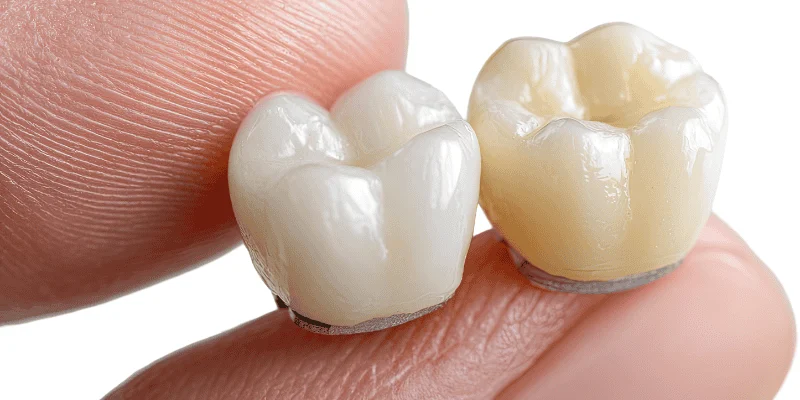
Missing teeth can affect how you eat, speak, and feel about your smile. You may wonder if you can walk into a dental office and leave with new teeth the same day.
One-day dental implants let you receive implant posts and temporary teeth in a single visit, but you must meet specific health and bone requirements to qualify.
This fast option can restore your smile right away and reduce the number of appointments. At the same time, it requires careful planning, strong jawbone support, and close follow-up care. Not everyone is a good fit, and the procedure carries limits you need to understand.
If you want to know whether this treatment suits your needs, it helps to look at the benefits, risks, and how it compares to traditional implants. A clear view of the facts helps you make a confident choice.
Key Takeaways
- You can receive implants and temporary teeth in one visit if you meet certain health and bone criteria.
- This option offers faster results but requires careful screening and planning.
- Traditional implants may suit you better if your bone or health limits same-day placement.
Contact our Metairie, Louisiana office to find out if you qualify for one-day implants.
What Are One-Day Dental Implants?
One-day dental implants let you receive implant posts and a temporary tooth in a single visit. You leave the office with fixed teeth, not gaps or a removable denture. This approach relies on careful case selection, strong bone support, and precise planning.
How One-Day Implants Differ From Traditional Dental Implants
With traditional dental implants, your dentist places the implant first and waits 3 to 6 months before adding the crown. During that time, the bone bonds to the implant in a process called osseointegration. You may wear a temporary denture or go without a tooth while you heal.
One-day implants shorten that timeline. Your dentist places the implant and attaches a temporary crown or bridge the same day.
The key difference is timing and load. Traditional implants heal without pressure from biting. One-day dental implants place a light, controlled load on the implant right away.
This method works best when you have good bone density and stable implant placement. If your bone is soft or thin, your dentist may advise a delayed approach instead.
Immediate Load Implants and Same-Day Techniques

You may hear terms like immediate load implants, same-day dental implants, or teeth-in-a-day. These names describe a similar idea: attach teeth to implants on the day of surgery.
Immediate load means your dentist connects a temporary restoration within 48 hours, often within hours. The implant must reach strong primary stability at placement. Dentists measure this stability during surgery.
Digital scans and 3D planning guide the process. These tools help your dentist choose the right implant size and angle.
You still need a healing phase. After 3 to 6 months, your dentist replaces the temporary teeth with a final crown or bridge.
Types of One-Day Dental Implant Procedures
Not all one-day dental implant treatments are the same. Your plan depends on how many teeth you need to replace and your bone condition.
Common types include:
- Single-tooth one-day implant – One implant and one temporary crown.
- Implant-supported bridge – Two or more implants support several teeth.
- Full-arch teeth-in-a-day – Four to six implants support a full upper or lower arch.
Full-arch cases often use angled implants to avoid bone grafts. This approach can reduce surgery time and speed up treatment.
Your dentist will check bone volume, gum health, and bite force before recommending one-day implants. Proper planning keeps the implant stable while your bone heals around it.
Call Renaissance Dental Implant Center in Metairie, LA today to schedule your consultation.
Who Is a Candidate for One-Day Dental Implants?
You need strong bone, healthy gums, and stable health to qualify for one day dental implants. Your dentist will check these factors closely before planning treatment.

Jawbone Density and Volume Requirements
Your jawbone must hold the implant firmly on the same day it is placed. That requires enough jawbone density and volume to keep the implant stable while it heals.
Dentists measure bone height and thickness with 3D scans. If your bone looks thin or soft, the implant may not lock in tightly enough for immediate use.
You may still qualify if you have mild bone loss. In some cases, your dentist may suggest a bone graft first to rebuild support.
If you need major grafting, you usually cannot get one day dental implants right away. Grafted bone needs time to heal before it can anchor an implant safely.
Strong bone lowers the risk of movement, which is one of the main causes of implant failure.
Gum Health and Oral Hygiene Considerations
Healthy gums protect the bone that holds your implant in place. If you have active gum disease, your dentist will treat it before placing implants.
Gum disease causes inflammation and bone loss. Both problems reduce implant stability and raise the risk of infection.
Your dentist will check for:
- Bleeding gums
- Deep gum pockets
- Gum recession
- Ongoing bad breath linked to infection
You also need good daily oral hygiene. You should brush twice a day and floss daily. Implants require the same care as natural teeth.
If you struggle with consistent cleaning, your dentist may delay treatment. Clean gums heal faster and support long-term success.
Medical Conditions and Lifestyle Factors
Your overall health affects how well your body heals. Certain conditions can slow recovery after surgery.
Uncontrolled diabetes, immune disorders, and some heart conditions can increase the risk of complications. Your dentist will review your full medical history before moving forward.
Smoking also affects healing. It reduces blood flow to the gums and bone, which can increase implant failure rates.
Teeth grinding, also called bruxism, puts heavy pressure on implants. If you grind your teeth, your dentist may recommend a night guard to protect your new teeth.
You do not need perfect health. You do need stable, well-managed health conditions and a commitment to follow care instructions.
Assessment and Consultation Process
Your dentist makes the final decision after a full exam. This process goes beyond a simple visual check.
Expect:
- A 3D cone beam CT scan
- Digital X-rays
- A review of your medical history
- An exam of your bite and jaw alignment
You may discuss alternatives if you do not qualify right away. In some cases, staged treatment works better than immediate placement.
This careful evaluation protects you from avoidable risks and helps your implants last longer.
Book an appointment to schedule your exam today and learn about your tooth replacement options.
Clinical Benefits of One-Day Dental Implants
One-day dental implants give you faster tooth replacement, early function, and fewer office visits. When your dentist selects the right case, you can protect bone and gum tissue while keeping strong implant stability during healing.
Speed and Immediate Results
You no longer need to wait months between extraction and tooth replacement. With immediate load implants, your dentist places the implant and a temporary crown in the same visit when conditions allow.
This approach, often called same-day dental implants, shortens the visible gap in your smile. You walk out with a fixed tooth instead of a removable flipper or empty space.
Your dentist uses digital scans and guided planning to prepare the implant site with precision. Careful case selection matters. You need enough healthy bone and strong primary stability at placement to support the temporary crown.
You still need time for osseointegration, which is the process where bone bonds to the implant surface. The key benefit is that you do not wait for appearance and basic function while this healing takes place.
Immediate Function and Aesthetics
You regain basic biting and speaking ability right away. The temporary crown restores tooth shape and fills the space, which helps you talk clearly and smile with confidence.
In many cases, your dentist adjusts your bite to limit heavy pressure during early healing. This protects implant stability while still giving you light function. You avoid the discomfort and movement that often come with removable options.
Patients who choose 1 Day Dental Implants often value this immediate cosmetic improvement. The crown matches your surrounding teeth in color and shape, even though it is provisional.
This method also helps maintain your natural facial contours. When you lose a tooth, the surrounding tissues can shrink. Placing an implant quickly supports the area under the gum and helps maintain your smile’s outline.
Preservation of Bone and Gum Tissue
When your dentist places an implant at or soon after extraction, you reduce the time your bone sits without stimulation. Bone tissue depends on pressure from chewing to stay strong.
An implant acts like a tooth root. It transfers forces into the jaw, which helps limit bone loss in the area. Early placement can also help support the gum shape around the new crown.
Traditional methods often require multiple stages over several months. In contrast, one-day dental implants use digital planning and in-office fabrication to speed up treatment when conditions are right.
You may still need a bone graft in some cases. However, when you qualify for immediate placement, you often preserve more of your natural tissue compared to long delays between extraction and implant placement.
Reduced Appointments and Recovery Time
You complete major steps in fewer visits. Instead of spacing surgery and temporary replacement months apart, your dentist combines them into one coordinated procedure.
This streamlined plan lowers the number of surgical events. Fewer surgeries can mean less overall swelling and discomfort across the full treatment timeline.
You still attend follow-up visits to monitor healing and confirm strong osseointegration. However, you avoid the extended waiting period common with older protocols.
Many clinics describe this approach as teeth-in-a-day. While the final crown may come later, you reduce the total time you live with a missing tooth.
For you, that means less disruption to work, meals, and daily routines while your implant heals safely and predictably.
Limitations and Risks of One-Day Dental Implants
One-day dental implants can work well, but they demand the right conditions. Your bone strength, healing ability, and daily habits all affect the outcome.
Strict Eligibility Criteria
You must meet clear clinical standards to qualify for same-day placement. Dentists check your jawbone density, gum health, and overall medical history before they move forward.
If you have active gum disease, untreated infection, or major bone loss, you may not qualify. Low jawbone density reduces stability and raises the risk of implant failure. In many cases, you would need bone grafting first, which removes the “one-day” option.
Certain health conditions also matter. Uncontrolled diabetes, heavy smoking, and immune disorders can slow healing and increase complications.
Potential for Implant Failure
Implant failure can happen early or months later. Immediate loading places pressure on the implant before full healing occurs.
Your implant must stay stable in the bone from day one. If it shifts even slightly, it can disrupt osseointegration. This may lead to pain, infection, or complete failure.
Common risk factors include:
- Low jawbone density
- Poor bite alignment
- Smoking
- Skipping follow-up visits
A rushed approach can raise these risks. If failure occurs, you may need removal, healing time, and another surgery. That adds cost and extends treatment time.
Healing and Osseointegration Concerns
Osseointegration is the process where your implant fuses to the bone. This step determines long-term success.
Traditional implants heal under the gum for several months without pressure. One-day implants often carry a temporary crown right away. That extra force can interfere with bonding if your bone quality is not strong.
You may also face swelling, soreness, or sensitivity during early healing. If bacteria enter the site, infection can block proper integration.
Healing depends on:
- Bone quality
- Blood supply
- Good oral hygiene
- Careful bite control
If osseointegration fails, the implant becomes loose. At that point, your dentist must remove it and allow the bone to recover before trying again.
The One-Day Dental Implant Procedure: Step-by-Step
You can complete the dental implant procedure in one visit when your bone and gums meet strict clinical standards. Careful planning, precise implant surgery, and close follow-up protect implant stability and long-term success.
Pre-Procedure Planning and Imaging
Your dentist starts with a full exam and a review of your medical history. You discuss health conditions, medications, and habits like smoking that can affect healing.
Next, the team takes 3D scans, often with cone beam CT imaging. These scans show bone height, width, and density. They also map nerves and sinus spaces.
This step decides if you qualify for immediate placement or options like All-on-4 for full-arch replacement. Strong bone and good gum health are key for primary implant stability.
Your dentist may also take digital impressions. These help design a temporary crown or bridge before implant surgery begins.
Surgical Placement and Immediate Restoration
On the day of implant surgery, your dentist numbs the area with local anesthesia. If needed, they remove the damaged tooth first.
They place a titanium implant post directly into the jawbone. The goal is firm mechanical stability at the time of placement. Without strong initial stability, same-day restoration is not advised.
Once the implant feels secure, the dentist attaches a temporary crown or bridge. In full-arch cases like All-on-4, a fixed temporary denture may connect to four or more implants.
You leave the office with teeth in place. The restoration looks natural but stays slightly out of heavy bite contact to protect healing.
Post-Procedure Care and Temporary vs. Final Restorations
You may notice mild swelling or soreness for a few days. Your dentist may suggest:
- Soft foods for several weeks
- Avoiding hard or sticky items
- Careful brushing around the implant site
Osseointegration begins right away. This process allows your bone to fuse with the implant surface over three to six months.
Your temporary crown protects the site but is not your final tooth. It helps shape the gum tissue and supports normal speech and chewing with limits.
Once the implant shows stable bone support, your dentist replaces the temporary with a custom final crown or bridge. This final restoration handles full bite force and completes your treatment.
Comparing One-Day and Traditional Dental Implants
You can replace a missing tooth in a single visit or spread treatment over several months. The right choice depends on your health, bone strength, budget, and how much time you can commit to healing and follow-up care.
Treatment Timeline and Patient Experience
Traditional dental implants follow a staged process. Your dentist places the implant in the jaw, then waits several months for the bone to fuse with it before adding the final crown.
This approach often requires multiple visits. If you need bone grafting or gum treatment, the timeline can extend even longer.
Same-day dental implants, also called one-day implants or immediate load implants, place a temporary tooth on the implant the same day as surgery. You leave the office with a tooth in place instead of a gap.
Despite the name, you still need follow-up visits.
If you value fewer appointments and faster visible results, one-day implants may feel more convenient. If you prefer a slower approach that allows more healing time, traditional implants may feel more predictable.
Success Rates and Long-Term Outcomes

Both options show high success when your dentist selects the right case. The key factor is osseointegration, which is how well the implant bonds with your jawbone.
Research shows that immediate load implants have success rates between 90–95%, while traditional implants often exceed 95%.
Traditional dental implants have decades of long-term data. Dentists often choose them if you have low bone density, uncontrolled diabetes, or habits like smoking that slow healing.
Same-day dental implants work best when you have strong bone and healthy gums. Your dentist must place the implant with high stability on the first day to reduce the risk of movement during healing.
Cost and Accessibility Considerations
Costs vary based on your location, materials, and whether you need extra procedures. Bone grafts, extractions, and imaging can raise the total price for either option.
One-day implants may cost more upfront because they use digital scans and in-office design tools. However, you may spend less time away from work due to fewer visits.
Traditional dental implants can spread costs over several months since treatment occurs in stages. Some patients prefer this pacing.
Your insurance may cover part of the crown but not the implant itself. Before you choose, ask for a written treatment plan that lists each step of the dental implant procedure and its fee.
Frequently Asked Questions
You likely want clear details about the procedure, healing time, risks, and daily care. These answers explain what happens on surgery day, who qualifies, how success is measured, and what you must do to protect your implant.
What should I expect during the one-day dental implant procedure?
You will start with a full exam, digital scans, and a review of your health history. Your dentist checks bone height, width, and density before surgery.
On the day of treatment, the dentist numbs the area. They place the implant post into your jawbone and attach a temporary crown or bridge in the same visit.
The temporary tooth lets you leave with a full smile. The bone still needs several months to fuse to the implant, even though you have teeth right away.
How do I determine if I’m a good candidate for same-day dental implants?
You need healthy gums and enough jawbone to hold the implant firmly. Strong bone helps prevent movement during healing.
People who smoke, have active gum disease, or have uncontrolled diabetes may face higher risk. Your dentist may advise against immediate loading in those cases.
A full exam helps confirm if you qualify for same-day dental implants. The decision depends on bone quality, bite force, and your overall health.
Can you explain the long-term success rates of immediate load dental implants?
Immediate load implants can succeed long term when the implant stays stable during healing. Stability at placement is a key factor.
Traditional staged implants have slightly lower risk because they heal without pressure from a temporary crown. Some reviews note a small increase in complications with immediate loading compared to delayed loading.
Success also depends on your oral hygiene and regular checkups. You must follow all post-surgery instructions to protect the implant.
What are the potential risks or complications with one-day dental implant surgery?
Implant movement during healing can lead to failure. Infection, swelling, or discomfort may also occur after surgery.
Placing a temporary crown right away adds pressure to the implant. If your bone is not strong enough, the risk increases.
How do I care for my dental implants after the procedure?
You must keep the area clean from day one. Brush gently and follow the cleaning steps your dentist gives you.
Use any prescribed rinse as directed. Avoid touching the implant site with your fingers or tongue.
Visit your dentist for follow-up checks. Regular exams help confirm the implant is stable and healing as planned.
Are there any dietary restrictions following same-day dental implant surgery?
Yes, you will need a soft-food diet for several weeks. Choose foods like yogurt, eggs, smoothies, and soft pasta.
Avoid hard, sticky, or crunchy foods that put pressure on the implant. Chewing ice, nuts, or tough meat can disturb healing.
The concept behind teeth in a day implants allows you to leave with fixed teeth, but you still must protect the implant while the bone fuses to it. Careful eating supports long-term stability.