

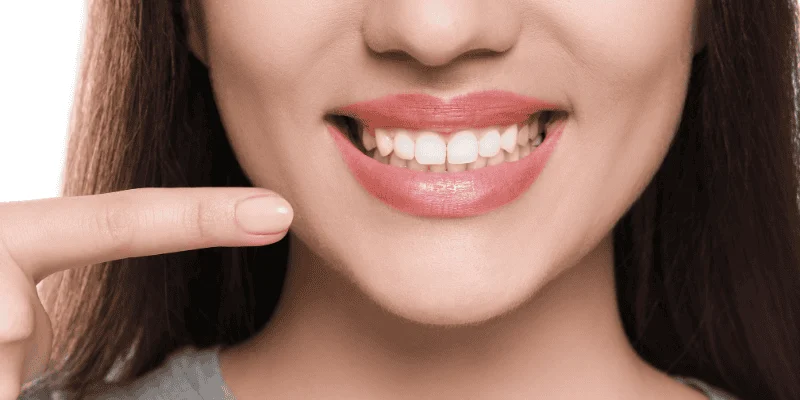
You may need a gum graft after implant surgery when your gums are too thin, have pulled away, or don’t fully cover the implant area.
A graft restores tissue, protects the implant from infection, and helps the final crown look natural. If your gum lacks volume or shows recession, a graft often prevents future problems and improves the implant’s long-term success.
Grafting can use your own tissue, donor tissue, or synthetic materials depending on your situation and your dentist’s plan. The procedure usually takes under an hour, heals over weeks to months, and needs careful home care to protect the graft.
Key Takeaways
- A graft fixes thin or receding gums to protect the implant and improve appearance.
- Your dentist chooses the graft type based on tissue needs and implant health.
- Proper care and follow-up speed healing and support long-term gum health.
Understanding Gum Grafting After Implant Surgery
Gum tissue around an implant protects the metal post, shapes the look of your smile, and helps keep bacteria out. Knowing when and how a gingival graft works will help you talk with your periodontist and plan care that lowers risks and improves long-term results.
The Role of Gum Tissue in Dental Implants
Healthy gum tissue forms a tight seal around the implant crown and abutment. This seal keeps food debris and bacteria away from the implant-bone interface. If the tissue is thin or recessed, that seal weakens and the implant faces higher risk of infection or inflammation.
Gum thickness also affects how the implant looks. Thicker, well-shaped gum tissue hides the metal edges and keeps your teeth looking natural. Your periodontist checks gum biotype (thin vs thick), the height of the gingival margin, and the presence of interdental papillae when planning implants.
Key points your clinician will assess:
- Keratinized tissue width around the implant.
- Any recession exposing the implant neck or adjacent tooth roots.
- Soft-tissue contour for esthetic demands.
What Is Gum Grafting
Gum grafting is a surgical step to add tissue where the gum is thin or missing. Your surgeon may use tissue taken from your palate (autograft), donor tissue, or a collagen matrix to thicken or cover the area. The graft is sutured in place and heals over weeks to months.
The common graft types:
- Connective tissue graft (from under the palate): common for thickness and root coverage.
- Free gingival graft (surface of the palate): used to increase keratinized tissue.
- Allograft/xenograft or collagen matrix: avoids a second surgical site.
Expect local anesthesia and post-op care that includes soft brushing, antiseptic rinses, and a softer diet. Healing timelines vary; initial healing is often 10–14 days and full tissue maturation can take several months.
When Gum Grafting Is Required
You may need a gingival graft if the gum around an implant is too thin, if recession exposes the implant neck, or if aesthetics are poor. Your periodontist will recommend grafting before implant placement when soft tissue is inadequate, or after surgery if recession occurs.
Situations that commonly trigger grafting:
- Thin gingival biotype with high risk of future recession.
- Existing recession around adjacent teeth that could worsen.
- Implant exposure after placement or during healing.
- Desire for improved esthetic contour in the smile zone.
Your clinician also considers oral hygiene, smoking, and prior periodontal disease. If inflammation or infection exists, they treat that first before grafting.
Worried about gum recession around an implant in Metairie, LA? Find out if gum grafting can help.
Common Reasons Patients Need Gum Grafting
You may need gum grafting after implant surgery for health, function, or how your smile looks. The most common issues are tissue that has pulled back, thin or missing gum tissue, the implant showing through, and uneven gum lines that affect appearance.

Gum Recession Around Implants
Gum recession happens when the gum tissue pulls away from the implant or nearby teeth. You might notice longer-looking teeth, sensitivity near the implant, or darker root-like areas at the gum line.
Receding gums around an implant raise the risk of plaque buildup and peri-implant inflammation because the implant surface and abutment can become exposed.
If you have a history of periodontal disease, aggressive brushing, or tobacco use, your risk of gingival recession is higher. A graft replaces lost tissue, covers exposed areas, and helps protect the implant from bacteria that can cause bone loss and implant failure.
Insufficient Gum Thickness or Volume
Thin or low-volume gum tissue can leave an implant vulnerable. When your gums are naturally thin, or bone loss happened before or during implant placement, the tissue may not fully cover the implant crown or abutment. Thin tissue also shows color differences; metal or implant components can appear darker through thin gums.
A graft increases tissue thickness and builds a stable cuff of gum around the implant. This improves the tissue’s ability to seal against bacteria and reduces chances of sensitivity, gum loss, and future recession. Dentists often measure tissue thickness during planning to decide if grafting will help long-term success.
Implant Exposure and Tissue Defects
Sometimes the implant or its parts become visible because the soft tissue didn’t heal properly or was damaged. This exposure can occur after infection, failed healing, or trauma during surgery. You may see a metal edge, notice food trapping, or feel irritation at the site.
Grafting repairs the defect by covering the exposed area and smoothing irregular tissue contours. This protects the implant from infection and makes cleaning easier. Your clinician may combine a gum graft with a small bone graft or soft-tissue reshaping to restore both form and function.
Aesthetic Concerns and Smile Harmony
If your gum line looks uneven, shows gaps between gum peaks, or makes teeth appear too long, you may want grafting for cosmetic reasons. Receding gum lines and localized gum loss can create dark triangles or lengthen teeth, which many people find noticeable when they smile.
Gum grafting can restore a more natural gum contour and fill areas of tissue loss so your prosthetic tooth blends with adjacent teeth. For front-tooth implants especially, grafting often improves symmetry and hides root-like exposures that detract from your smile. Dentists plan grafts to match color and shape for the best visual result.
Learn how grafts protect exposed areas and reduce sensitivity by reviewing clinical guides like this explanation of gum graft surgery.
Protect your implant investment by understanding when gum grafting supports long-term oral health.
Types of Gum Graft Procedures in Implant Cases
You may need extra gum tissue to cover implant edges, protect exposed implant parts, or improve the look of your gum line. Different grafts use tissue from your palate, nearby gum, or a donor source and vary in healing time and comfort.
Connective Tissue Graft
A connective tissue graft is the most common choice when an implant area needs fuller, natural-looking gum tissue. Your surgeon takes a small layer of connective tissue from under the roof of your mouth (the palate) and moves it to the implant site. The donor site is closed with sutures, which reduces raw surface pain and speeds healing.
This graft blends well with surrounding tissue and helps cover thin or recessed gums around implant crowns. Expect local anesthesia, a few sutures at both sites, and mild to moderate soreness for several days. Good oral hygiene and following post-op care are key to success.
Free Gingival Graft
A free gingival graft uses a thin, full-thickness piece taken directly from the palate and attached to the implant area. This graft adds thickness and increases the band of firm gum tissue around an implant. It works well when you need more attached gum to prevent future recession.
Healing can be slightly more uncomfortable because the palate donor site is exposed. You may get protective dressings and a soft-food diet for one to two weeks. This method is reliable for creating a wider zone of keratinized gum tissue, which can make cleaning around your implant easier.
Pedicle Graft
A pedicle graft moves gum tissue from next to the implant site while keeping one side attached. Because the tissue keeps its original blood supply, healing is often faster and the tissue color matches well. This graft suits cases where nearby gum is healthy and plentiful.
Your surgeon partially cuts and rotates the adjacent tissue to cover the implant margin. You avoid a palate donor wound, so discomfort tends to be less. This option depends on having enough nearby gum; it is not suitable if the surrounding tissue is thin or scarred.
Use of Donor Tissue and Collagen Membranes
If you lack sufficient tissue for an autograft, your clinician may use donor tissue from a tissue bank or processed collagen membranes. These products avoid a second surgical wound and shorten operative time. Donor soft tissue grafts and collagen matrices can replace or augment your gum without harvesting from your palate.
These materials provide a scaffold for your own cells to grow into and integrate. Expect similar post-op care, though some clinicians report less pain at the donor site since none is created. Ask about sterility, processing methods, and whether your practice uses validated tissue-bank grafts or a specific collagen membrane product.
The Gum Grafting Process and Treatment Experience
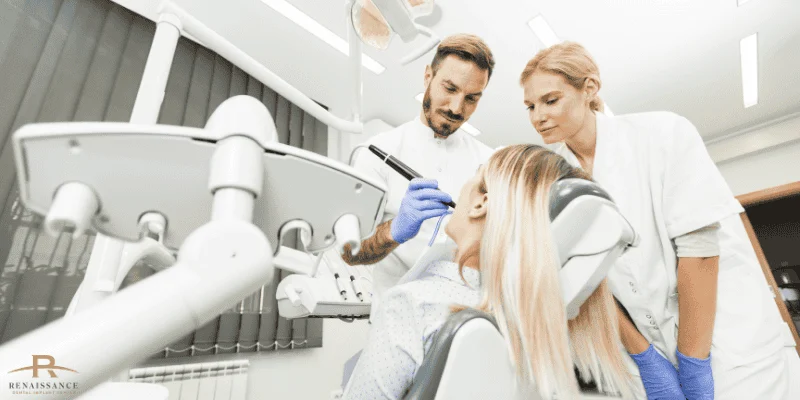
Gum grafting after implants aims to protect exposed roots or implant margins, reduce sensitivity, and improve gum shape. You’ll learn how your provider evaluates you, what anesthesia or sedation you can choose, and the typical surgical steps and stitches used.
Consultation and Patient Evaluation
Your periodontist will start with a focused exam of the implant site and nearby gums. They measure gum recession, check tissue thickness, and note any inflammation or infection. Expect a dental X-ray or CBCT to view bone levels and implant position.
The clinician will review your medical history and habits like smoking or diabetes that affect healing. They may perform scaling and root planing first to clean roots and remove bacteria before grafting. You’ll discuss graft options: tissue from your palate, a donor graft, or a synthetic matrix.
Cost, timing, and follow-up visits get covered too. Ask about expected outcomes, risks, and how the graft will affect implant health and smile appearance. Bring a list of medications and any prior implant records to speed decisions.
Anesthesia and Sedation Options
You will get local anesthesia to numb the area; this keeps you comfortable during the procedure. For extra comfort, many practices offer nitrous oxide or oral sedatives if you feel anxious. IV sedation is an option for longer or multiple grafts.
Tell your provider about medications and caffeine use before sedation. If you choose oral or IV sedation, plan for someone to drive you home. Local anesthesia alone lets you recover quicker and avoid a chaperone requirement.
Your clinician will explain how long numbness lasts and pain control after surgery. They typically prescribe pain relievers and may give an antibacterial rinse to lower infection risk. Follow fasting rules if you will use deeper sedation.
Surgical Steps and Suture Placement
The surgeon first cleans the area and creates a small flap by making precise incisions around the implant or tooth. If using your palate tissue, they harvest a thin graft from the roof of your mouth. Donors or synthetic grafts skip that harvest step.
The graft is positioned over the exposed root or implant margin and secured with fine sutures. Your provider may place resorbable (dissolving) sutures or non-resorbable stitches you’ll remove at a follow-up. Sutures help hold the graft flat and limit movement while tissue bonds.
You’ll get instructions to avoid brushing the grafted area and to eat soft foods for the first week. Expect a one-week check, and further follow-ups until the tissue integrates. Minor swelling and sensitivity are normal; report heavy bleeding, severe pain, or signs of infection promptly.
Recovery After Gum Grafting and Post-Operative Care
Expect some swelling, tenderness, and limited mouth use at first. Follow clear care steps, keep food soft, and keep up with checkups to protect the graft and prevent infection.
Initial Healing and Aftercare Guidelines
For the first 24–48 hours, rest with your head elevated and use ice packs for 10–20 minutes on, 10–20 minutes off to limit swelling. Avoid spitting, drinking through a straw, or rinsing vigorously; these actions can dislodge the graft.
Eat soft, cool foods like yogurt, mashed potatoes, and smoothies for several days. Skip hot, spicy, crunchy, or sticky items until your clinician says otherwise. Do not smoke or use tobacco; it slows healing and raises the risk of graft failure.
Follow any prescription instructions exactly. If your provider prescribes antibiotics or a mouth rinse, use them on schedule. Keep activity light for a few days; avoid heavy lifting or vigorous exercise for about a week unless your clinician advises otherwise.
Managing Discomfort and Swelling
Expect mild to moderate pain that peaks in the first 48–72 hours. Take prescribed pain medicine or over-the-counter ibuprofen/acetaminophen as directed. Do not exceed recommended doses.
Apply cold packs to your cheek for the first 48 hours to reduce swelling. After 48 hours, switch to warm compresses if swelling persists. If you notice increasing pain, pus, heavy bleeding, fever, or a sudden change in the graft, contact your clinician right away.
Avoid touching the graft with your tongue or fingers. If sutures are present, follow instructions about if and when they will be removed or if they dissolve on their own.
Oral Hygiene During Recovery
Keep your mouth clean while protecting the grafted area. Brush your other teeth normally with a soft-bristled brush, but avoid brushing the graft until your clinician clears you. Use short, gentle strokes and do not press near the surgical site.
Rinse gently with the prescribed antimicrobial mouthwash or with a warm salt-water rinse (1/2 teaspoon salt in 8 oz water) starting the day after surgery, unless told otherwise. Do this 2–3 times daily to lower bacteria and reduce tartar buildup around the treatment site.
Avoid flossing at the graft site until your provider says it’s safe. Resume full brushing and flossing gradually as directed to protect your overall oral health and reduce the chance of future gum recession.
Follow-Up Visits and Monitoring
Attend all scheduled follow-up appointments so your clinician can check graft attachment and healing. Typical follow-ups occur within one week, then again at 2–4 weeks, and at a few months if needed. These visits let your clinician remove sutures, assess blood flow to the graft, and spot early signs of infection.
Bring a list of any symptoms you notice between visits: persistent pain, increasing swelling, bleeding, or loosening of the graft. Your clinician may take photos or X-rays to monitor tissue integration and check for tartar buildup near the graft.
If problems arise, your clinician may adjust medications, give a professional cleaning away from the graft, or recommend additional care. Keeping these appointments improves long-term oral health and the graft’s chance of success.
Long-Term Gum Health and Prevention After Implant Surgery
Healthy gum tissue and bone support keep implants stable, reduce the chance of infection, and help your restoration look natural. Focus on daily cleaning, managing health risks, and regular professional care to protect both soft tissue and underlying jawbone.
Maintaining Healthy Gums Around Implants
Brush twice daily with a soft-bristled brush and low-abrasive toothpaste to remove plaque without damaging the gum margin. Use an interdental brush or floss designed for implants to clean between the implant crown and neighboring teeth. Rinse once daily with an antibacterial mouthwash if your dentist approves.
Watch for signs of trouble: persistent redness, bleeding, or increasing pocket depth. If you notice these, schedule an appointment so your dentist can measure pocket depth and check for implant mobility. Early treatment of inflammation often prevents the need for grafting or more invasive procedures.
Keep follow-up X-rays as recommended so your dentist can monitor jawbone volume around the implant. If bone loss appears, your provider may discuss options like bone grafting or tissue regeneration to restore support before soft-tissue problems worsen.
Addressing Risk Factors for Gum Recession
Control any existing gum disease before implant placement; untreated periodontitis increases the chance of later recession. If you smoke, quitting lowers your risk of graft failure and implant complications. Nicotine restricts blood flow and slows tissue healing.
Manage medical conditions that affect healing, such as diabetes. Keep blood sugar in a target range and tell your dentist about any medications that affect bone or gum health. If your mouth has thin gum tissue or little attached tissue, your dentist may recommend a graft at the time of implant placement to prevent future recession.
If your implant sits near the sinus or you had a sinus lift, follow extra care instructions because those procedures affect bone height and implant stability. Stay aware of bite forces; grinding or clenching can push implants and cause receding gums; your dentist may suggest a nightguard.
The Importance of Regular Deep Cleanings
Professional deep cleanings (scaling and root planing or peri-implant maintenance) remove hardened plaque under the gum line where daily brushing can’t reach. Book these cleanings every 3–6 months if you have a history of gum disease or if your clinician recommends closer monitoring.
During these visits, your hygienist measures pocket depths, removes calculus around the implant, and polishes the crown margins. They can apply antiseptic gels or recommend local treatments to help tissue heal. Deep cleanings help protect bone and reduce the chance you’ll need bone grafting or soft-tissue surgery later.
If deep cleaning doesn’t control infection, your dentist may refer you for surgery or tissue regeneration procedures. Staying on a regular maintenance schedule gives the best chance to catch problems early and preserve both gum health and implant longevity.
Gum graft procedures and bone grafts work best when you follow a strict maintenance plan. Ask your clinician for a written recall schedule and clear home-care steps tailored to your implants and gum type.
Frequently Asked Questions
This section answers common concerns about gum grafting after implants. You will find clear points on when grafts help, what to watch for, and who qualifies.
Can gum grafting enhance the outcome of dental implant procedures?
Yes. Grafting can add tissue where gums are thin or missing, which helps hide the implant neck and improves how the tooth looks.
Added gum tissue also creates a better seal around the implant. That reduces the chance of bacteria reaching the bone.
Why is it important to have sufficient gum tissue around implants?
Thicker gum tissue protects the implant from infection and keeps food and plaque from collecting at the implant edge.
Healthy gums also help the implant stay stable and reduce the risk of bone loss near the implant.
What are the signs that indicate the need for a gum graft?
You may notice exposed implant metal or tooth roots, increased tooth sensitivity, or a visible gap between the implant and gum.
Other signs include recurring gum inflammation, a deep pocket near the implant, or a change in how the crown looks compared with nearby teeth.
How does the gum grafting process support dental implant health?
A graft replaces or strengthens soft tissue, covering exposed areas and closing small pockets that trap bacteria.
Surgeons attach the graft with sutures; the tissue integrates over weeks to months and helps form a tight barrier around the implant.
What factors determine a patient’s eligibility for gum grafting?
Your dentist will check gum health, the amount of existing soft tissue, and bone support for the implant.
They also consider smoking status, oral hygiene habits, current infections, and medical conditions that affect healing.
Are there alternatives to gum grafting for supporting dental implants?
Yes. Options include using donor or collagen-based materials instead of your own tissue, and adjusting prosthetics to reduce pressure on soft tissue.
In some cases, careful hygiene, tissue conditioning, or minor reshaping of the gum (gingivoplasty) may help without a graft.